Imbolc traditions hold ancestral connections to goddess, saint
BY SHELAGH BRALEY STARR
RELATED ☘️ STAFF
On a damp February morning in rural Ireland a century ago, you might have seen a curious sight: a cluster of children carrying a small doll made of rushes from house to house, singing at each doorway, while an older woman followed behind with a three‑legged stool and a sprig of greenery. Inside, the hearth would be swept, a white cloth laid on the table, and a corner seat ready for an honored guest.
The guest, of course, was Brigid.
For anyone tracing Irish roots, Imbolc (pronounced IM‑ulk or IM‑bolg) and the customs around Saint Brigid’s Day offer a vivid, seasonal window into the lives of our ancestors. These traditions bridge pre‑Christian and Christian Ireland, and they can be rich clues to where and how your forebears lived, what they believed, and even how they passed on their sense of identity in times of change.
Imbolc: The turning of the year
Imbolc is an old festival marking the first stirrings of spring, roughly halfway between the winter solstice and the spring equinox. In the early medieval Irish calendar, it was one of the “quarter days” of the year, alongside Bealtaine, Lughnasa, and Samhain.
For your farming ancestors, Imbolc was tied not to daffodils or longer evenings, but to the lives of their animals. The term is often linked to “im bolg”—in the belly—a reference to pregnant ewes and the impending lambing season. In a landscape where survival hinged on stored food and the health of livestock, the promise of new milk and young animals was nothing less than a sign of survival.
Even in parish registers and estate records, you sometimes catch this agricultural rhythm in references to “spring work,” “changing of servants” or tenant agreements turning over at Brigid’s Day. When you see those dates in your research, you are looking at the faint written shadow of the Imbolc season.
Brigid: Goddess, saint, and cultural ancestor
Layered over and ultimately braided with the festival of Imbolc is the figure of Brigid. For genealogy enthusiasts, she matters not just as a religious figure, but as a cultural ancestor whose followers spread from Co. Kildare to every corner of Ireland and throughout the Irish diaspora.
Pre‑Christian tradition remembers Brigid as a goddess of fertility, poetry, healing, fire, and smithcraft. With the dawn of Christianity, a historical Saint Brigid of Kildare, traditionally said to have lived in the 5th–6th centuries, emerges as abbess and founder of a major double monastery. Her feast falls conveniently on the first days of February, same as the old Imbolc festival, and over the centuries, the identities of goddess and saint became thoroughly entwined in folk practice.
You’ll see Brigid’s influence in:
- Place‑names: Cill Bhríde (Kilbride), Tír Bríde (Tirbride), Templebride, Bridewell
- Personal names in older records: Brigid, Bride, Biddy, and their Anglicised forms Bridget, Delia, Bedelia
- Dedications of churches, holy wells, and parish patterns (patron days) in her honor.
If your ancestors came from a district with a Kilbride parish or a Brigid well, there is a strong chance Imbolc and Brigid customs shaped their yearly calendar.
Hearth and home: Customs your ancestors knew
By the 19th and early 20th centuries, when many Irish emigrants left for Britain, North America, and beyond, Saint Brigid’s Day customs were still very much alive in rural Ireland. The Irish Folklore Commission, a state-funded body created in the 1930s to salvage, record, and preserve Ireland’s oral traditions, customs, and folklore before they disappeared, captured hundreds of accounts that give us a good sense of what your great-great‑grandparents might have done.
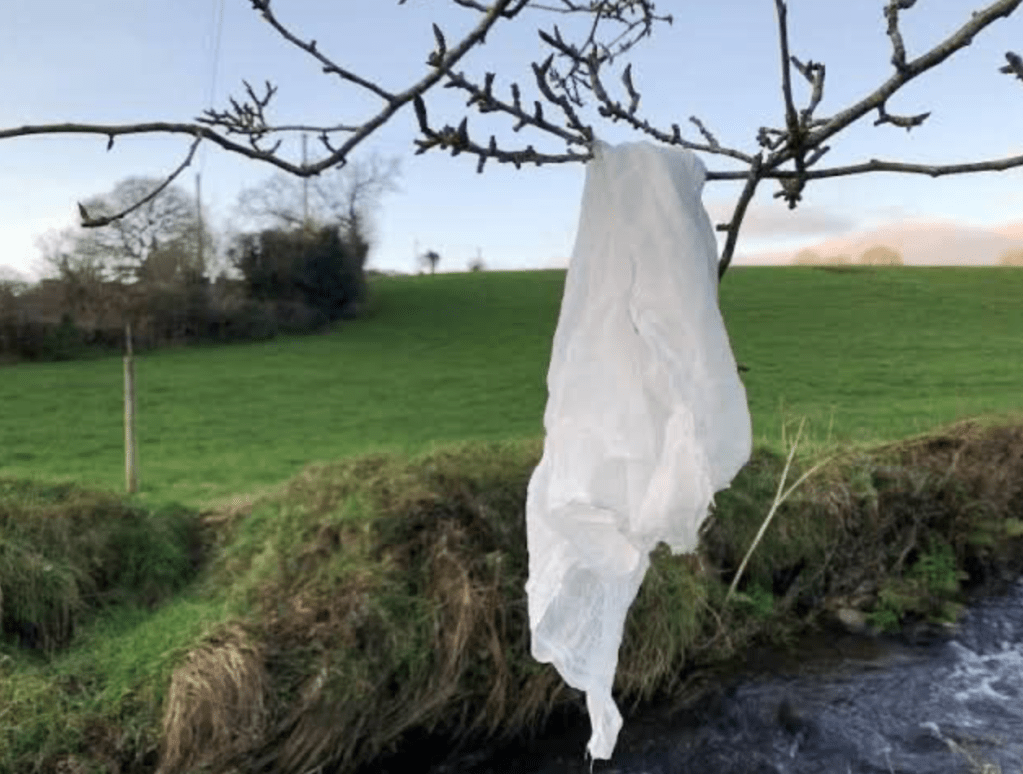
Common customs included preparing for Brigid’s visit the night before, tidying house and sweeping the hearth. They might have set a special place for her with a freshly laundered white cloth laid on a table or windowsill, known in some areas as Brat Bhríde (Brigid’s cloak). They also might have left out a piece of bread, butter, or porridge, for Brigid and her white cow. They left the door unlatched or at least symbolically “open” to welcome her in.
These small gestures were thought to bring Brigid’s blessing of protection and abundance on the household for the coming year. For a genealogist, descriptions of this kind of devotion, if you find them in memoirs, letters, or folklore collections from your ancestral parish, can show how deeply a family was embedded in local tradition.
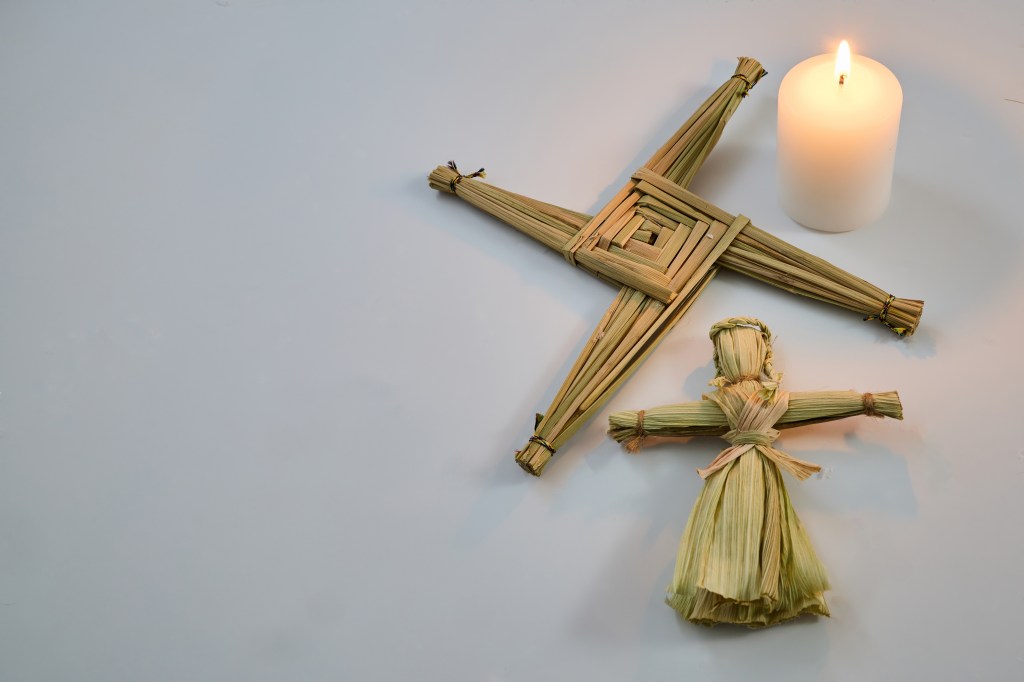
Another custom would have been the making of the woven cross, perhaps the best known symbol of Brigid, braided from fresh rushes or straw on the eve of her feast. The basic cross has four arms woven around a central square, although regional variations exist. Children helped to weave these crosses, which hung over the door, in the rafters, or in the barn to protect the animals. They would replace them each year, sometimes burning or burying the old.
Clodagh Doyle, keeper of the Irish Folklife Division at the National Museum of Ireland, said it was common to give a Brigid’s cross as a wedding gift, recorded as early as the 1900s, and most likely before. “It was a tradition then, of giving a Brigid cross on wedding. It served as protection in the home, the cross, and also there was the fertility aspect,” she said.
Families hung crosses in the bedroom or above the bed of a sick family member for Brigid’s protection. In genealogical terms, photos, heirlooms, or even verbal family traditions about “the Brigid’s cross over Granny’s door” can point back to particular counties (for example, Laois, Offaly, Kildare, and parts of the province of Connacht where the practice was especially strong, though it’s now widespread).
In parts of Kerry, Cork, and Galway, children or young women made a Brídeóg (little Brigid), a doll or effigy fashioned from straw or rushes, dressed in white with ribbons and sometimes a small face painted or stitched on.
They would carry the doll from house to house on Saint Brigid’s Eve or Day, sing verses welcoming Brigid and asking for treats or small coins, and hopefully, be invited in, where the Brídeóg was honored with food or a place at the hearth.
This custom sometimes merged with other visiting‑house traditions, but its emphasis on Brigid as youthful, pure, and protective is consistent. If your ancestors were from areas like Dingle, Valentia Island off the Iveragh Peninsula in Co. Kerry, or parts of Mayo and Galway, stories of “Biddy Boys” or visiting with a Brídeóg might appear in local histories and folklore collections.
Another widespread practice involved leaving garments or tools outside overnight on Brigid’s Eve so that she might bless them as she passed. The Brat Bhríde (Brigid’s cloak)—a length of cloth, scarf, or ribbon—was left out and then treasured through the year, relied upon as a cure for headaches, childbirth pains, or illness.
What Imbolc and Brigid can reveal about your family story
For Irish genealogy enthusiasts, awareness of these customs is more than seasonal color. It can actively inform research and interpretation:
Regional customs: Comparing what was done in your ancestral county with neighboring areas can help confirm or question a suspected place of origin, especially when documentary evidence is thin.
Religious practice over time: Brigid’s following spans pre‑Reformation Catholicism, the penal era, and later Catholic revival. Evidence that a family maintained Brigid devotions can suggest quiet persistence of Catholic identity in officially Protestant periods, especially in Ulster and urban centers.
Names and naming patterns: Repeated use of Brigid/Bridget/Biddy in a family line may reflect particular devotion to the saint. Tracking when the name appears or fades in baptism registers can hint at shifting religious or cultural trends.
Emigration and memory: Some emigrant communities carried Brigid customs with them. Accounts from Irish districts in New York, Boston, and parts of Canada mention Brigid’s crosses or special prayers in early February well into the 20th century. If your ancestors were among those emigrants, Brigid may have been an invisible thread keeping a sense of “home” alive.
Reconnecting with ancestral customs today
Many people in Ireland and across the diaspora are rediscovering Imbolc and Brigid as part of a broader renaissance in heritage and folk practice. For genealogists, reviving these customs can be a way to “live into” the world we spend so much time reading about on paper.
You might:
- Weave a Saint Brigid’s cross following a pattern known in your ancestral county.
- Mark Feb. 1 by lighting a single candle for ancestors from that parish or townland.
- Research local Brigid wells and church dedications in your ancestors’ areas.
- Record any surviving family memories of “Granny’s Brigid customs” before they slip away.
In doing so, you echo countless generations who saw in Brigid and Imbolc a moment of cautious hope in the year’s dark half. For those tracing Irish roots, that same moment offers a powerful reminder: Our ancestors’ lives were shaped as much by the turning of the seasons and the gentle rituals of the hearth as by the grand events recorded in history books.
 RELATED ☘️