By KARLEE TWINER
RELATED ☘️ STAFF
One of the hardest things to encounter in your research is a brick wall. There will come a time in everyone’s tree where a brick wall will be impossible to break through, as records just don’t exist. Sometimes we cause problems for ourselves by expecting our family tree to align with perfect family values.
One of these obstacles is the stigma around illegitimacy, but in research, we must set aside what we want to see, and let the records speak for themselves.
When I was still in school, I did a family project for my roommate as part of one of my classes. It was a family line that her family was having trouble progressing, so she offered it to me as a family I could use for my project in the class. While I was researching this family, the records that were already attached weren’t quite making sense. I couldn’t find a baptism for the child that was within a believable distance to where the parents were married and living.
Then I found a baptism that made me rethink everything. It matched the child that I had been looking for, but the parents were not what was attached in my friend’s tree. I went to my professor to ask her opinion, and she said it looked like I had found the mistake in the tree. My friend’s great-great-great-grandfather was the son of an unmarried mother. Things started to fall into place after I accepted the correct record. It turned out his mother was also an illegitimate child.
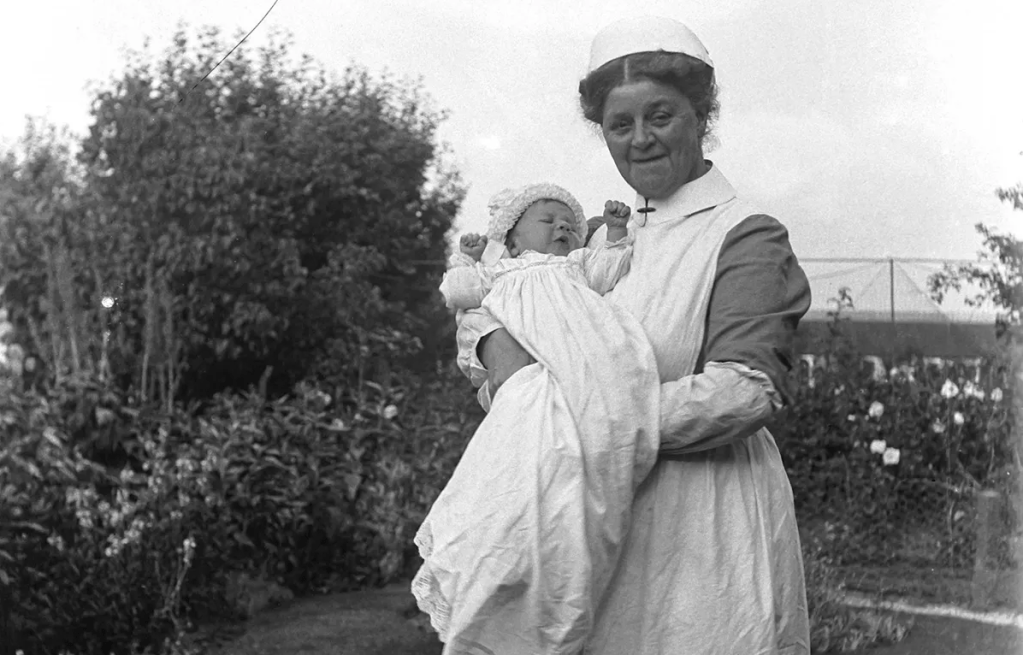
Some people have a hard time coming to terms with an imperfect family tree, but I’ve always thought it is better to know who your real family is than to live in a fantasy. It doesn’t change who your family actually was. We are researchers, and we have to hold ourselves to a standard of excellence in our research, especially when it comes to our own family.
There are many reasons that you might find illegitimate ancestors in your family tree. It could be an affair or unwed mothers, who could have become pregnant for myriad reasons. We also might hesitate when a birth and/or baptism is too soon after a marriage, but pregnant brides are not a new thing. In fact, I remember one of my professors, Dr. Harris, telling us that it was more common than we might think for people to “try out” if they would be able to get pregnant or not before getting married. Children were a huge part of why people would get married, and they didn’t have the fertility options that we do today. Instead of going to a doctor to see if there were any problems, they would just test the theory themselves and get married if it worked, so don’t be surprised if the first child was born a bit sooner than they should have been.
What happens if there is a case of illegitimacy in your tree? Despite pre-marital sex not being uncommon, unwed mothers were still stigmatized. This means that they were often outcasts in society and were more likely to end up in institutions such as workhouses, Magdalene wash houses, or mother and baby homes. These places were not great to end up in. In mother and baby homes and Magdalene wash houses, it was not uncommon for unwed mothers to suffer abuse from nuns, both emotional and physical. It has also recently come to the public eye that many infants from these homes often died and were disposed of in the sewage tanks. Women were put into these mother and baby homes by their families. It was not a place that someone would elect to go to on their own.
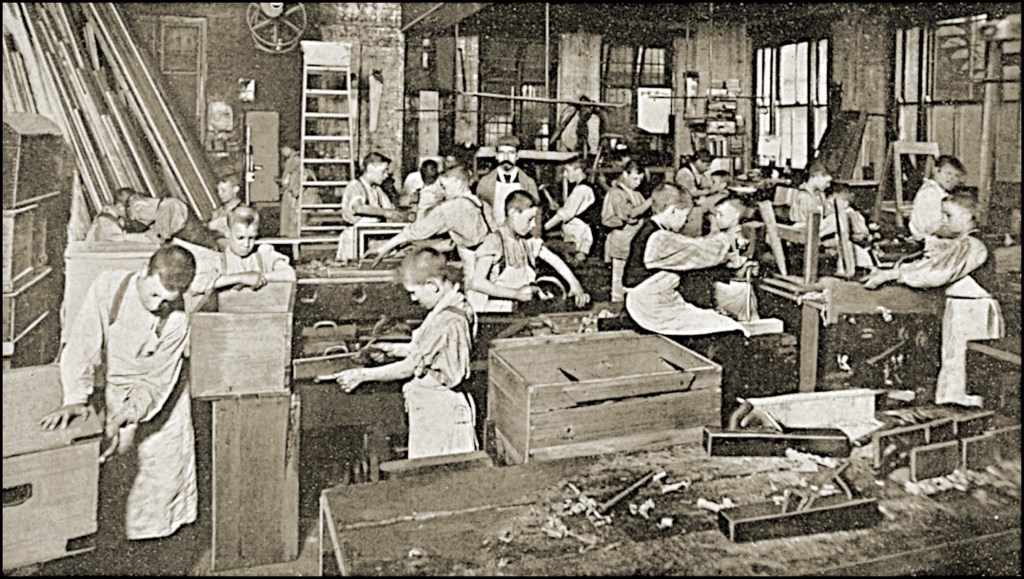
Workhouses were similar in fashion, although they held all ages and genders. They kept men and women separated in different blocks, and they weren’t allowed to interact even for meals or church. This was to keep the lowest of the low from adding more children to their already desperate situation. However, pregnancies still happened because of sexual abuse by people who worked at the institutions.
It is important to remember that the people most affected by illegitimacy were the mothers of these children. Many may have been victims of abuse or even just living life like others around them. They just happened to get pregnant and had to carry the shame of stigma. The fathers of these illegitimate children are harder to find, because they aren’t often listed on baptism records. They may show up on marriage or death records if the children grew up knowing who their fathers were. Sometimes the mothers of these children married a different man, and the children grew up knowing him as their father. He may be listed as the parent on marriage and death records in these cases. It can be hard when this happens because maybe he was the father, and they just got married later.
A tip for recognizing illegitimacy:
- Check records that should provide names of parents, such as baptisms, marriages, and death records. Now, just because a father’s name doesn’t show up on these records doesn’t mean the child was illegitimate. Make sure to look at the other records around it, or if it’s a form, what information is collected. If a father’s name isn’t typical of that set of records, you should look elsewhere for mention of a father. Sometimes it is really easy, and a child is just marked as illegitimate on the record, even if a father is mentioned.
Just remember, family trees are messy because people have always been messy. The people who make up your family tree, however, are the reason why you are here today. Let’s remember to thank them by allowing their true stories to be told, even if they don’t always fit into a perfect narrative. As you do so, you may see your brick walls start to crumble.
Look for Karlee’s posts every Genealogy Wednesday on Irish by Ancestry, when she posts tips and tricks for finding those elusive relatives in records. She also takes questions for her weekly FB Live sessions Wednesdays at 5 p.m. EST. so get them in early! The great benefit of a resident genealogist, a trusted resource: You have someone knowledgeable available to make your searches easier. You can also take her classes. Check the link for more info right HERE.
 RELATED ☘️