Dear friends,
In this seventh issue of RELATED ☘️, we invite you into a conversation that many of us of Irish descent have approached with a mixture of excitement and unease. Tracing Irish roots can feel like opening an old family trunk: There are cherished stories inside, but also grief, anger, and questions that don’t always have tidy answers. From the Great Famine to the Easter Rising and beyond, Irish history is marked by profound suffering, courage, and complexity. For those of us whose ancestors left these shores, by choice or by force, returning to that past can be deeply emotional. This month, that return takes on new immediacy with the anticipated release of the 1926 Irish census, the first taken in the Free State, promising many readers their first glimpse of ancestors captured in a moment of hard-won nationhood.
Yet our goal in these pages is not to relive old wounds, nor to claim grief that is not ours to carry. Instead, we aim to look clearly at history as something we inherit, but do not have to reenact. To know the famine is to understand why so many left, how hunger and policy intertwined, and how that trauma echoed through generations—but it is also to see the resilience that followed. To read about the Easter Rising is to confront both heroism and bloodshed, idealism and unintended consequence. Clear-eyed history asks us to hold these truths together without simplifying them into myth or resentment. The new census records, too, will invite strong emotions; our task is to meet them with curiosity and care rather than with a desire to reopen old battles.
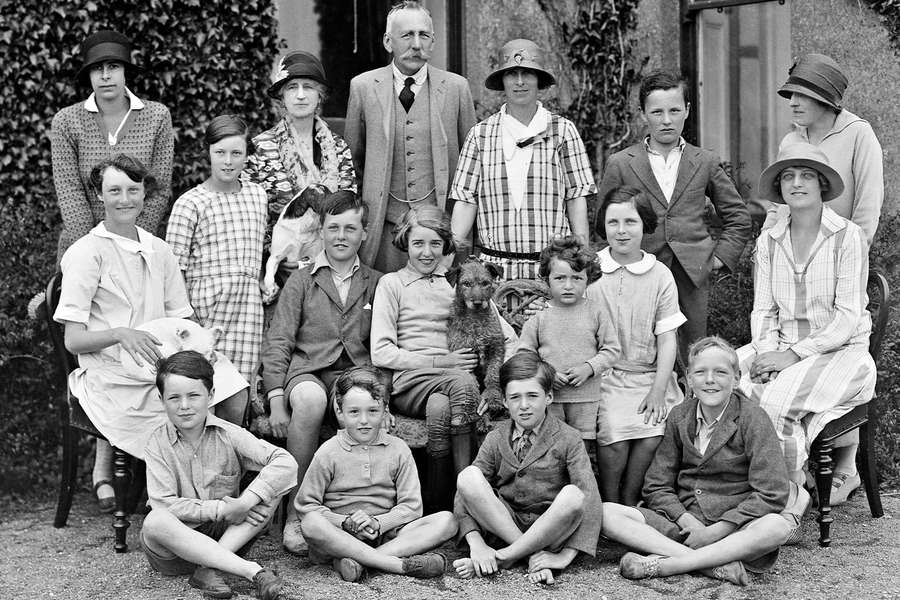
As Irish ancestry-seekers, now 120,000-plus at Irish by Ancestry, we stand at a unique distance: close enough to care, far enough to choose how we respond. We can honor our ancestors’ hardships without making them the centerpiece of our identity. We can appreciate their struggles without importing their conflicts into our own lives. We are not reigniting history’s fires but learning by their light.
This issue is an invitation to that kind of learning. Here, you’ll find stories that confront painful chapters honestly, alongside pieces that welcome spring, celebrate Easter, honor ancient creativity, and explore everyday life—then and now. We’ll also offer guidance on using the 1926 census to deepen, rather than narrow, your understanding of the past.
Our hope is that you come away not with a script for how to feel about history, but with tools to understand it more deeply: context, nuance, and empathy. In doing so, we can let history inform us without imprisoning us, allowing memory to be a bridge rather than a battlefield.
As always, may you be blessed by the ancestors you seek.
Slán,
Your admin,
Shelagh
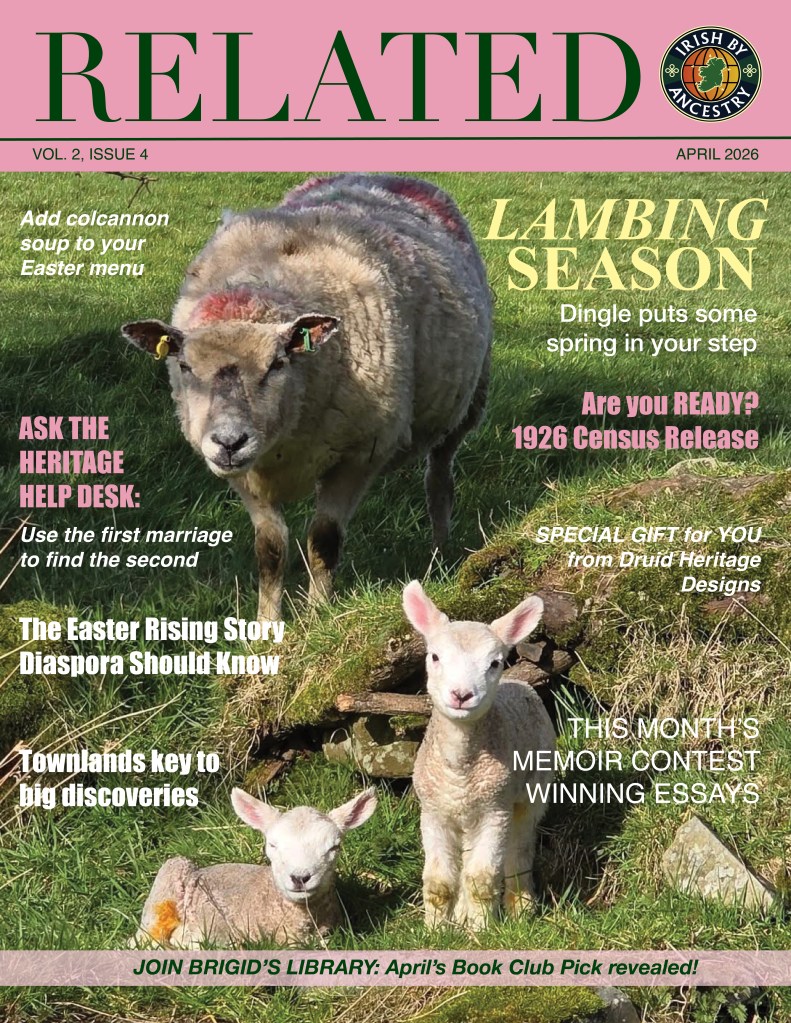
 RELATED ☘️