By SHELAGH BRALEY STARR
RELATED ☘️ Staff
When digging through records, a dive into the past can deliver more than we expect. But rarely do we expect to discover murder.
Madeleine Widdowson began seeking her Irish ancestors innocuously enough, 15 years ago. “You know, you put your name out on Ancestry and people just contact you,” said the author in a recent interview from her home in the Wirral Peninsula, just across the river in Liverpool, England. “Someone wrote to me, ‘I found a photo album in the church sale, is this your family?’ She sent me the photo album, and on the first page was my great-grandmother on her mother’s knee. They had their names and where they came from written in.”
Startling figures appeared in her family story, straight from a mystery. “Once you find one name, then I went to the newspapers—it was just boggling,” the former nurse-turned-author said.
She searched the usual census databases, maps, land deeds. But one discovery, in the columns of an old newspaper from 1833, reported the details of an inheritance case for the survivors of Robert Keon of Sheemore Hill in Co. Leitrim, who had been tried and executed for murder.
Keon was tried in Dublin in November 1781 and drawn, quartered, and hanged the following February. The duel was intended as a formality, using powder only, but accounts said Keon loaded his gun with a ball. George Nugent Reynolds met his end. The story could have ended there for Widdowson as well, but the facts did not add up to her. So she continued culling reports to re-create the case. She read the published account of the trial and all the corroborating transcripts she could find.
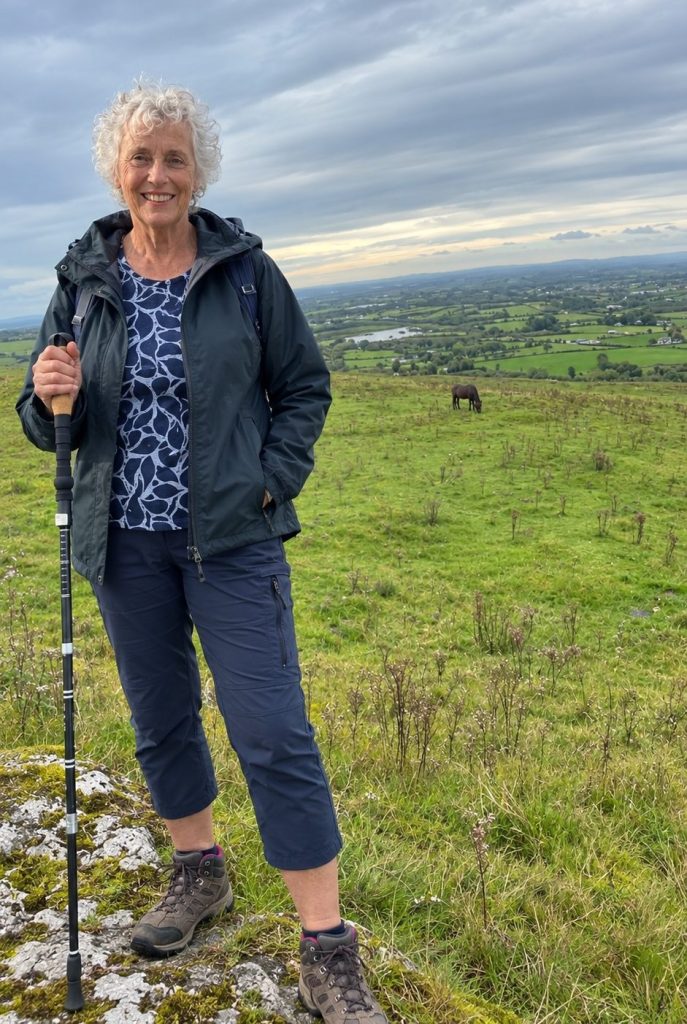
Widdowson read what witnesses claimed to have seen and heard, where they had been standing, and considered whether such a position would be possible to draw conclusions from. She compared each account against the others. “The more accounts I placed beside one another, the less straightforward the original version became,” she wrote.
“I wanted to understand. How could they have possibly convicted and executed him based on this information? Only 15 minutes they took to convict this man. They (the jury) were out for 15 minutes, and it had been over a year since the killing. It was the social media of the 18th century, these transcripts,” Widdowson said.
She said reading the accounts made her angry, because it seemed the facts weren’t all included in the trial, even though firsthand witness accounts had been recorded. “Because they are related to me, I want them to be good,” she said. “I’m biased, and I’m angry, I’m very angry, I had the benefit of the internet and finding out how a duel should have taken place. I read about it and all the witness statements, and I’ve been the place where it happened. Where they were standing. And I do get angry, because his statement never came out.”
Murder suspects at the time were not allowed to testify on their own behalf. Keon also had a friend and servant with him who were not allowed to speak either. “Their voices were never heard, because they were indicted as well.”
But the prosecution allowed testimony from the groom of the deceased man. “He said he was watching the whole time, while he was behind a hedge, holding two horses,” Widdowson scoffed. “You don’t just stand there holding them. You have to settle them down and loosen their girth while they’re standing.”
So she began rewriting the tale, as it happened, including all accounts negated in the old courtroom. “I had to immerse myself into the history and find out what was going on at that time, to shift the perspective. (The trial was in) pages and pages in the newspapers, all over Britain, not just in Ireland.” That account became the fictionalized version of her ancestor story, The Truth of Sheemore.
“I never imagined I’d be so closely connected (to something like murder). This story is just extraordinary,” she said. It was so unexpected, in fact, she followed the trail to the next generation, who suffered greatly once Robert was gone. That case ended up in court documents as well, just waiting for her to discover them.
“Robert’s son should have inherited, but because Robert was hung, drawn, and quartered, that meant his son had something called Corruption of Blood, so he could not inherit,” Widdowson said. “Next in line was my direct ancestor, who was Catholic (who were not allowed to inherit land at the time). Next in line is a Protestant, but he marries a woman and they have three sons, then he dies.” That’s where she found the next story worth noting, which became the subject of her second book, The Theft of Truth. She is working on a third as well, based on her great-grandmother who was banished from Ireland, she said, over rumors she was pregnant from an affair.
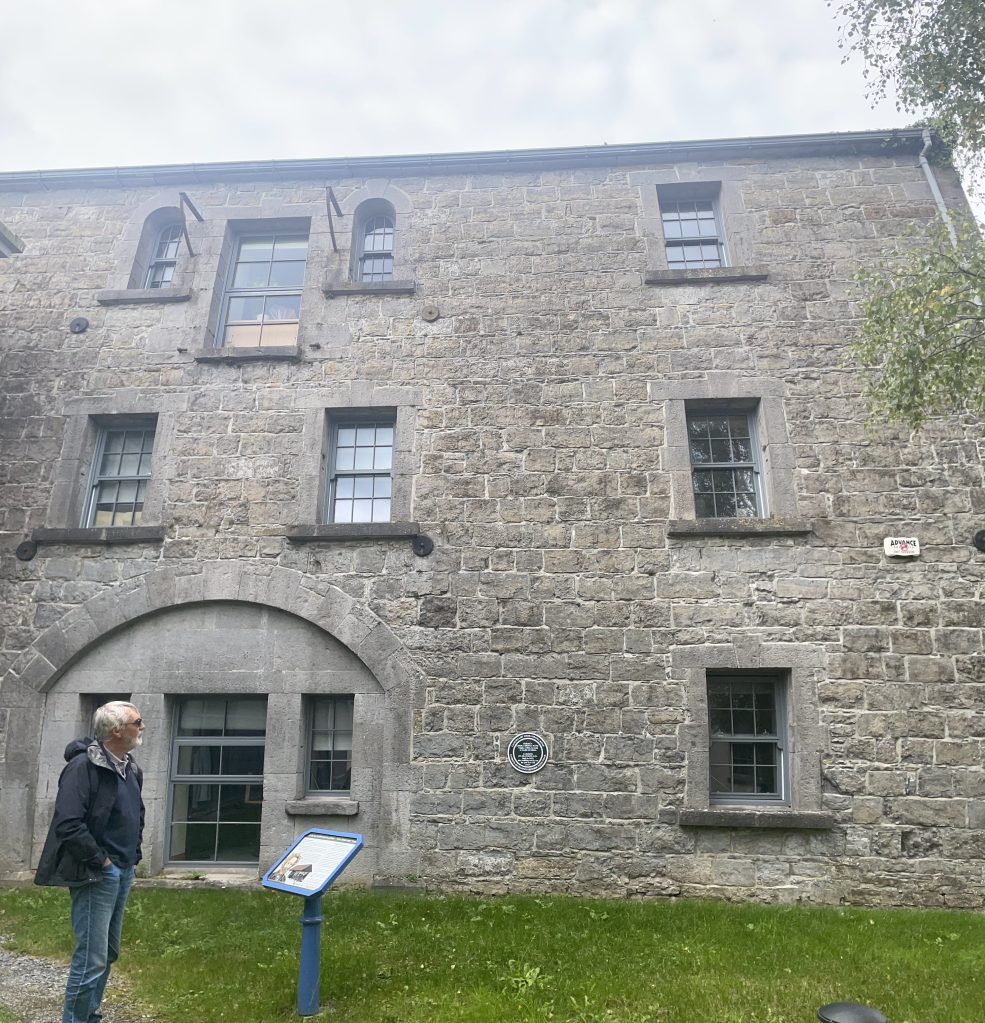
A murderer sent to the gallows for a crime the evidence doesn’t corroborate. A pig thief sent to Australia on dubiously timed charges. The mother of a child born of an illicit affair. All unearthed in Widdowson’s family records.
“I couldn’t make it up, I couldn’t have dreamed it up,” Widdowson said. “I just made flesh these people and how I read into them. I liked making people of them. I think, looking at the photographs: Why did you do this? Why did this happen? Life doesn’t happen in isolation, there’s a reason why people do things.”

