By SHELAGH BRALEY STARR
RELATED ☘️ Staff
The tree may be drooping and the last crumbs of Christmas cake clinging to life, but there is one final festive hurrah still to come: Nollaig na mBan, Women’s Christmas.
Falling on Jan. 6, the Feast of the Epiphany, Nollaig na mBan is a uniquely Irish tradition with roots in a very different era, and a modern resonance that feels surprisingly fresh.
Nollaig na mBan (pronounced null-ig na mon) literally means “Women’s Christmas” in Irish. In many parts of Ireland, particularly in the south and west, it marked the day when women, who had carried the heavy load of Christmas preparations, finally laid down their aprons.
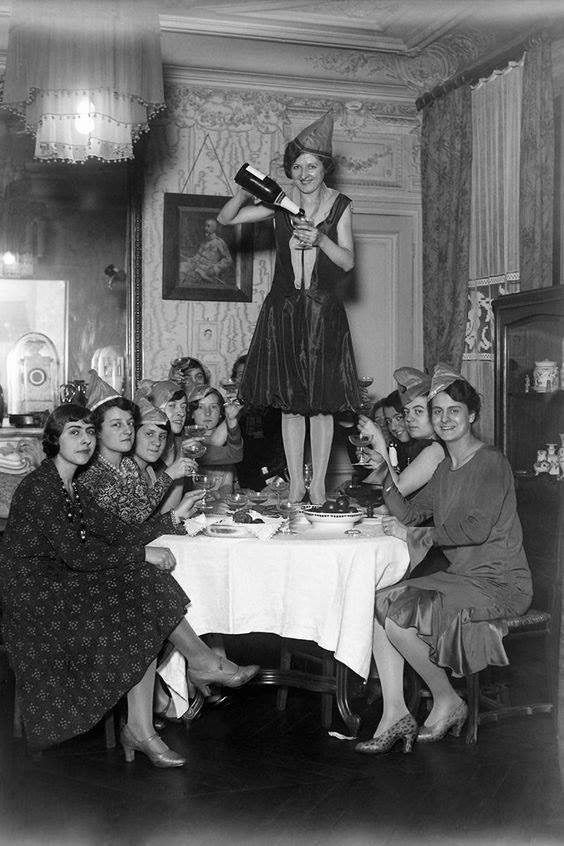
Traditionally, men took over domestic duties for the day: cooking, cleaning, minding the children, looking after the animals. Women dressed in their best, gathered together, and headed out to each other’s houses, local pubs, or cafes for a few hours of precious leisure and companionship.
It was the informal, unspoken rule: After 12 days of work, the 13th belonged to the women.
How it all began: Origins in rural Ireland
Though its genesis is difficult to trace definitively, Nollaig na mBan grew out of a very specific social and economic context in Ireland from the 19th century onward, says Irish customs author Dr. Marion McGarry to NG. In rural communities, Christmas was an enormous undertaking, almost entirely managed by women. It included slaughtering and preparing poultry and meat; baking bread, cakes, and puddings; deep cleaning the house before Christmas; decorating, laying out the best linens and china; hosting visiting relatives and neighbors.
Money was tight, so women often saved all year, putting away a little from egg or butter sales or pilfering from already small housekeeping budgets, to fund Christmas food and treats for the children.
By the time Jan. 6 arrived—the day of Epiphany, when the three kings reached the Christ child—the religious solemnity blended with a more earthly custom. The “good china” was put away, the last of the festive food was finished, the decorations were about to come down, and women finally claimed time of their own.
In many households, this wasn’t codified in any rulebook, it simply evolved. Men understood that on this one day, women would step back and the men would shoulder the load. In communities where gender roles were rigid, Nollaig na mBan was both a small rebellion and a pressure valve.
How they celebrated in the past
Memories and oral histories paint a vivid picture of Nollaig na mBan in the mid‑20th century, especially in counties Cork, Kerry, and Galway. Mary McAuliffe, historian and director of gender studies at University College Dublin, told NG, Nollaig na mBan remained unknown for many years in other parts of Ireland.
Typical traditions included women-only gatherings, where groups of neighbors and relatives would visit each other’s houses, moving in a cheerful procession from one kitchen to the next. Tea flowed, sometimes something stronger appeared, and there was no pressure to serve a full meal. Leftovers, buns, and biscuits were enough. (The original girl dinner, perhaps.)
Late-afternoon or evening outings
In towns and cities, Nollaig na mBan might have meant a visit to a local pub. Older women recall snug corners filled almost exclusively with women: teachers, shop girls, farmers’ wives, widows and sisters, chatting, smoking, enjoying a drink they’d paid for with their own small savings.
With the rush of Christmas over, women finally had time to talk properly. They traded stories, discussed family news, shared worries, and offered each other advice and solidarity. It was a social network long before social media.
Men at home, roles reversed
While the women were out, men minded the children, prepared supper, or at least ensured that the fire was lit and the house in order. In some homes, it was light-heartedly acknowledged as “their turn”—in others, it was a genuine effort at gratitude for wives’ and mothers’ year-round labor. At a time when women’s domestic work was expected and rarely publicly praised, a whole day that acknowledged their efforts was quietly radical, even if it was framed as “women taking a rest.”
In many regions, Jan. 6 was also “Little Christmas” and the traditional day to take down decorations. In some families, women left that final ritual to the men, as a symbolic closing of the festive season they had orchestrated. For many women, especially in rural Ireland, it was one of the few socially accepted excuses to leave the home purely for enjoyment.
Decline and revival
By the later 20th century, especially from the 1970s onward, the tradition faded in some parts of Ireland. Urbanization, changing gender roles, and new work patterns meant more women were in paid employment outside the home. The old, rural-style women’s social networks began to dissolve. In some areas it all but disappeared, surviving mainly in older people’s memories.
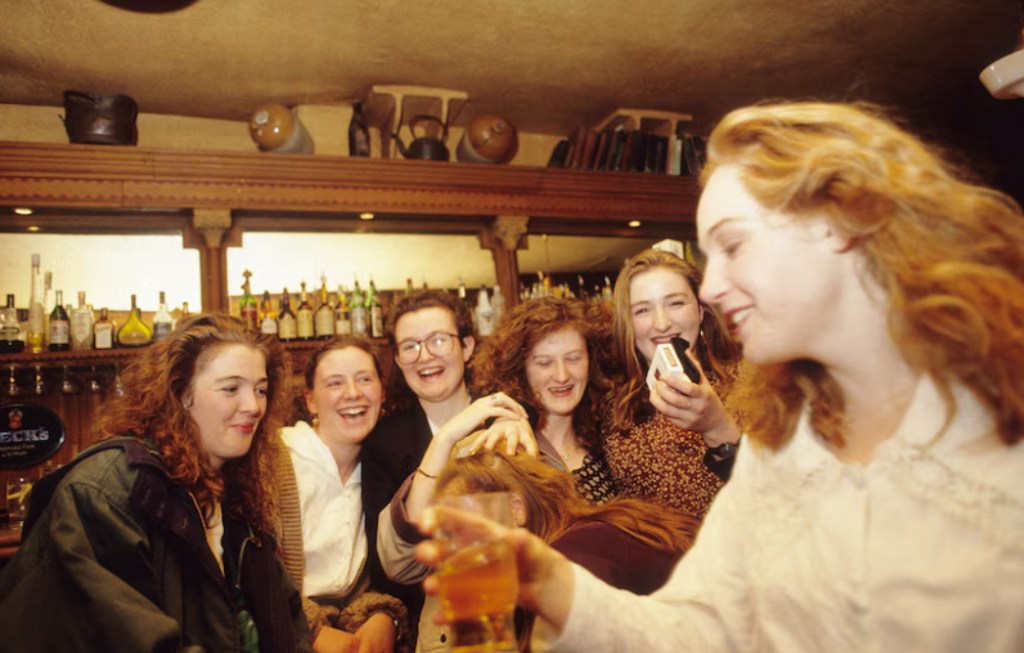
But in recent decades, Nollaig na mBan has experienced a notable revival, reinterpreted for a modern age. Today, Nollaig na mBan still falls on Jan. 6, but its tone has shifted. Rather than a one-day reprieve from unending domestic labor, it is increasingly framed as a celebration of women’s friendships and achievements, an opportunity to support women-led causes and businesses, and a cultural moment that blends nostalgia with contemporary feminism.
Restaurants across Ireland now market special Nollaig na mBan menus and group offers, with prosecco toasts. Women’s groups, friends, and families book tables weeks in advance, turning the evening into a mini-Christmas party just for them. Many organisations hold Nollaig na mBan lunches, coffee mornings, or gala evenings in aid of women’s shelters, cancer support, reproductive health services, and other causes that matter to women. Museums, libraries, and cultural centres host lectures, panel discussions, and exhibitions on Irish women’s history, literature, and art, using the date as a focal point for stories often overlooked.
Some families still mark the day more quietly: sisters, mothers, and daughters sharing a leisurely brunch, friends gathering for a movie night, or simply insisting that someone else does the dishes. What has remained constant is the core idea: women claiming time, space, and recognition, often in each other’s company.
In turning an old custom into a modern celebration of women’s lives, Ireland has given new energy to a tradition that once existed mainly as a footnote to the religious calendar.
On Jan. 6, as the last fairy lights are packed away and the long dark of winter stretches ahead, Nollaig na mBan offers one more night of warmth and company. It is a reminder that behind every perfect Christmas table stood someone who quietly made it happen—and that she, at least once a year, deserves to sit back, raise a glass, and be celebrated.
 RELATED ☘️