By SHELAGH BRALEY
RELATED ☘️ Staff
In Ireland, New Year’s is less about glitter and resolutions and more about thresholds: between old and new, hunger and plenty, loss and hope. The country’s celebrations may now feature fireworks and festival stages, but behind the bright lights lie rituals that have quietly shaped Irish households for generations.
Irish New Year customs are all about protection and welcome. You clear out what’s bad, you invite in what’s good, and you make sure no one—living or dead—is left out.
Clearing the Slate: Sweeping Out the Old Year
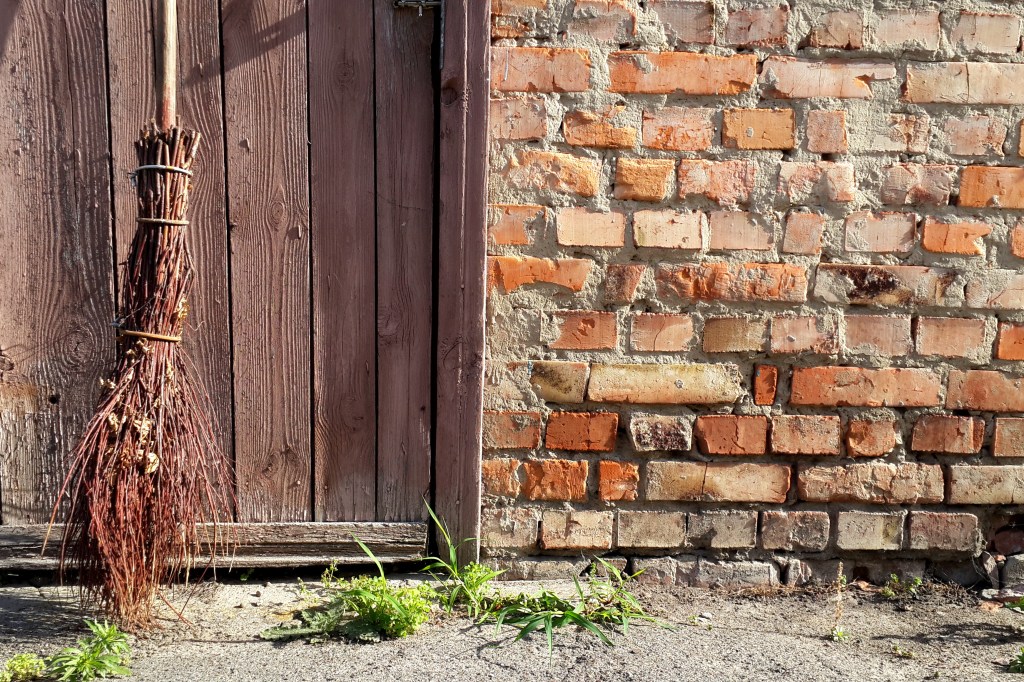
In many Irish homes, New Year’s Eve still begins not with champagne, but with a brush and dustpan.
Traditionally, you gave the house a proper cleaning before the year turned. It wasn’t just about tidiness; it was a symbolic act. By sweeping, you were driving out bad luck and misfortune.
In some areas, that symbolic gesture extended to the doors. Families would open the back door to “let the old year out” and, at midnight, open the front door to welcome the new one in.
It’s a beautiful, almost theatrical moment. The idea that bad luck leaves by one door and good fortune walks in through another captures the Irish instinct for ritual in everyday life.
Bread on the Door: Hunger Kept at Bay
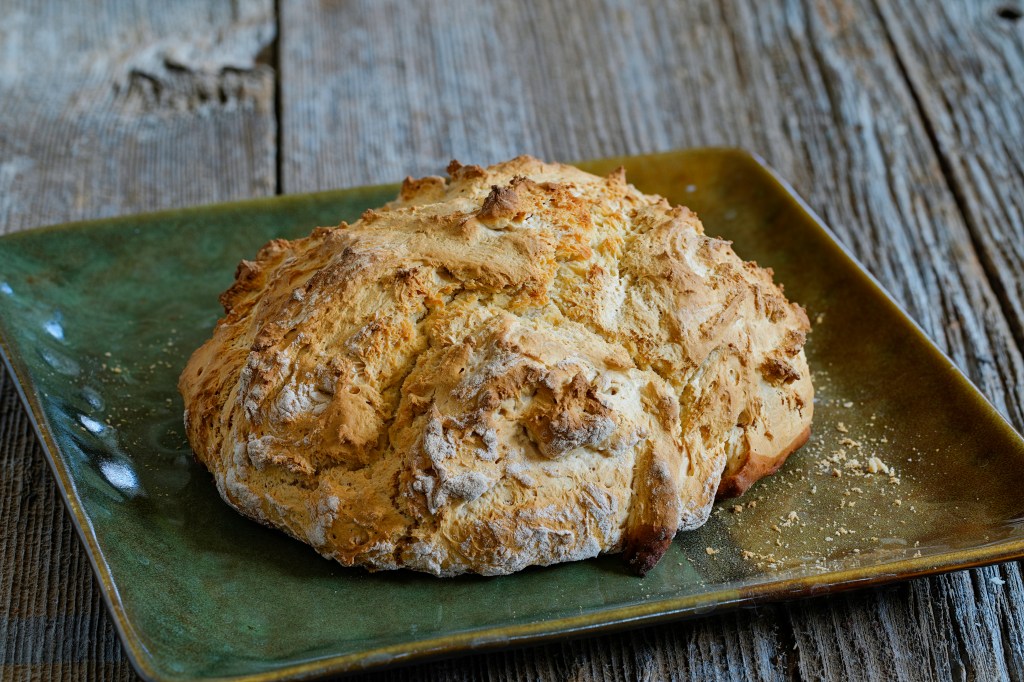
One of the most distinctive Irish New Year customs is also one of the humblest: a loaf of bread.
In rural Ireland, bread was like a household guardian. On New Year’s, some families would bang a loaf of bread against the doors and walls, or place it on the door, to drive away hunger and want.
The act might look simple, even playful, but its meaning was serious. In a country with a living memory of deadly hunger, the ritual was a promise to the household that there will be enough. Food rituals are powerful. When you knock bread against the door, you’re not only warding off physical hunger, you’re saying: This home will be blessed with plenty.
Candles, Empty Chairs, and the Presence of the Dead
If New Year’s in Ireland is about fresh starts, it’s also about those who didn’t make it into the new year.
Remembering the dead is woven into Irish seasonal customs. At New Year, it was common in some households to leave a place at the table or leave the door on the latch for the souls of the departed.
A candle in the window, placed before Christmas, sometimes stayed burning into New Year’s as a quiet beacon of welcome. These gestures recognize that time passes, people go, but they remain part of the family story. The turning of the year is a natural moment to feel that absence—and to honor it.
Even today, many Irish people will light a candle, visit a grave, or raise a glass at midnight in memory of parents, grandparents, or friends.
First-Footing: Who Walks Through the Door Matters
Ireland shares with Scotland the tradition of “first-footing,” the belief that the first person to cross your threshold after midnight can shape your luck for the year ahead.
Depending on the region, a tall, dark-haired man was considered the ideal first foot. He might bring small tokens like bread, coal, or whiskey—symbols of warmth, sustenance, and good cheer.
While a formal first-footing is far less common now, hints of it survive in jokes and superstitions about who you want to be the first to call on New Year’s Day.
These customs might seem quaint, but they tap into a deep human predisposition: the idea that the way you begin something matters, and that people carry luck with them.
Reading the Wind: Weather, Luck, and the Irish Landscape
In a country where the weather is almost a national obsession, it’s no surprise that New Year’s brought its own set of meteorological superstitions.
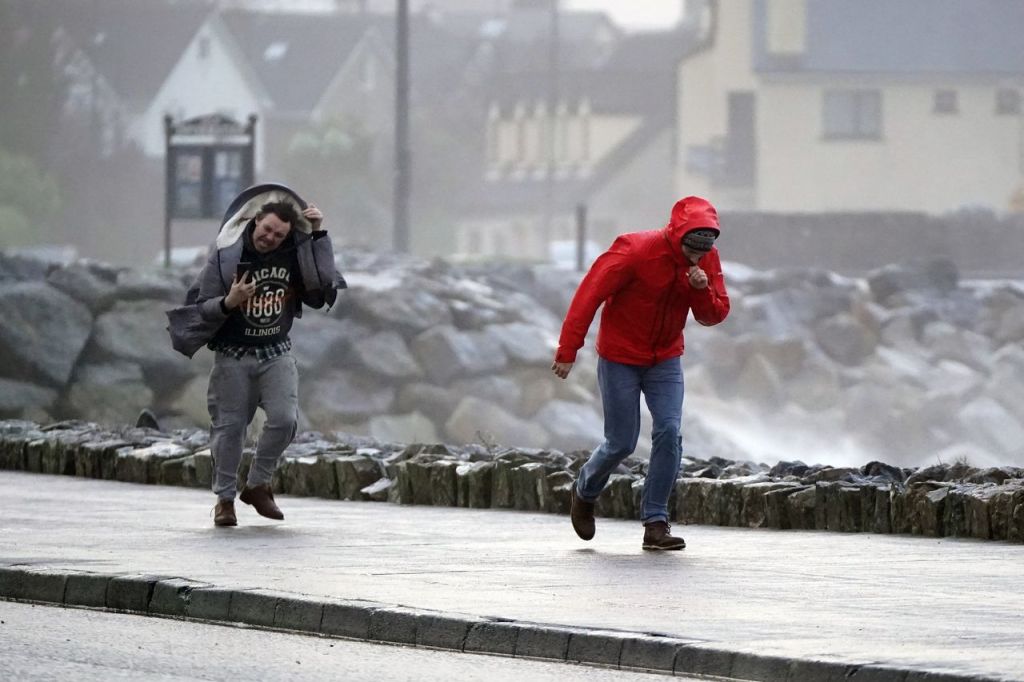
People would watch the wind on New Year’s Eve. The direction from which it blew could be used to predict which parts of the island might fare better in the coming year, or whether hardship was ahead.
Other taboos included refusing to lend money or tools on New Year’s Day, in case prosperity “went out the door” and failed to return.
These beliefs are part farming practicality, part magical thinking. But they show how closely people felt their fortunes were tied to the natural world and to their neighbors.
From Rosary by the Fire to Fireworks in the Sky
Not so long ago, New Year’s Eve in many Irish households was reserved for quiet reflection.
Before the age of mass entertainment, you might have a family rosary, storytelling, songs around the hearth. People took stock of the year—its births, deaths, marriages, and losses—and said prayers for the one to come.
The night still ended with a toast or a handshake at midnight, but the mood was often gentle, intimate, and firmly rooted in the home.
Today, that domestic scene coexists with something very different.
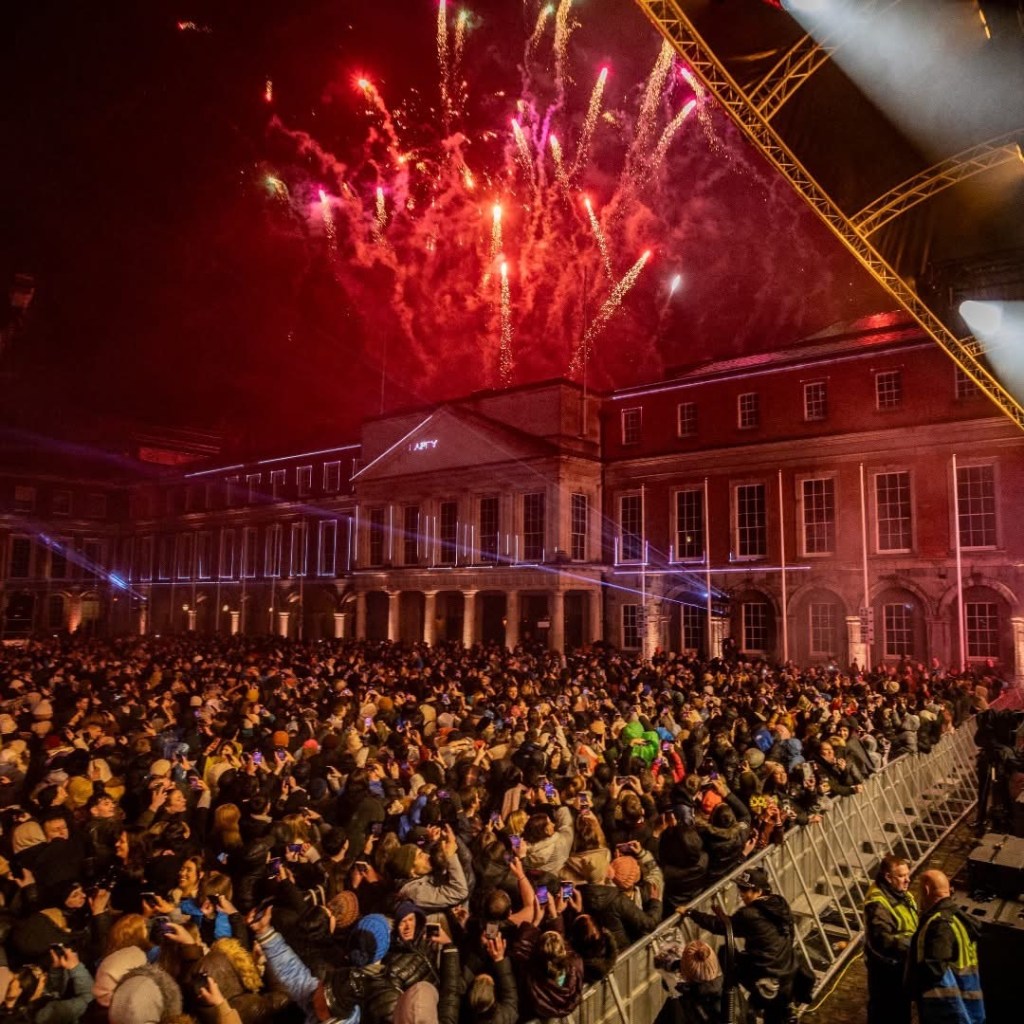
In the cities, New Year’s has become a major public event. Dublin’s New Year’s Festival, for example, features concerts, light shows, and fireworks. Younger generations are as likely to ring in the year in a crowd as by the fire.
Pubs, naturally, remain central.
The Irish pub on New Year’s Eve is a kind of secular chapel. There’s music, reunions, resolutions shouted over the bar, and at midnight, you’ll almost certainly hear Auld Lang Syne. It’s a Celtic crossover moment—Scottish song, Irish voices, global tradition. Here’s a version for you, performed by the Irish Rovers.
New Rituals: Sea Swims, Resolutions, and Fresh Air
Alongside the older customs, new traditions are taking hold—often with a distinctly Irish twist.
One of the most striking modern rituals is the New Year’s Day sea swim. From Dublin’s Forty Foot to beaches along the west coast, people fling themselves into icy water to cleanse the old year away. Many of these swims now raise money for charity, turning personal bravado into communal benefit.
Resolutions, too, have entered the Irish New Year vocabulary, often wrapped in traditional language and humor. The Irish phrase for a New Year’s resolution—rún na hAthbhliana—carries its own charm. It literally means ‘the secret of the New Year.’ There’s a lovely suggestion there that your resolution is something private and powerful, a promise you make to yourself.
Blessings for the Road Ahead
Whether at a coastal swim, a crowded pub, or a quiet kitchen table, many Irish New Year celebrations still end with a wish or blessing. Classic Irish sentiments, like “May your troubles be less and your blessings be more” or “May peace surround your home” continue to circulate, in person and increasingly online.
These blessings travel effortlessly from the fireside to social media. They’re short, heartfelt, and adaptable. In a way, they’re the perfect modern ritual: easy to share, but rooted in something much older.
That blend of old and new is precisely what defines the Irish New Year.
Ireland has always been a place where tradition and modernity live side by side. You might bang bread on the door in the afternoon, go to a concert at night, and end the evening posting an Irish blessing on your phone. It’s not a contradiction—it’s continuity in a changing world.
As the clock strikes midnight across Ireland, doors are opened, glasses are raised, candles flicker, and waves crash around shivering swimmers. Between the old superstitions and the new spectacles, one thing endures: a stubborn, hopeful belief that the coming year can, and should, be better.
Or, as an old Irish toast might put it: In the new year, may riches meet you, success greet you, and happiness take you by the hand.
 RELATED ☘️