By SHELAGH BRALEY STARR
RELATED ☘️ staff
On a wet, dark night in late January, when the holiday revelry has been hushed, Dublin does something unexpected. The doors of medieval churches swing open, the lights come up in Georgian drawing rooms and castle halls, and the first strains of a fiddle or a low uilleann pipe spill out into the cold.
This is TradFest, Ireland’s winter love letter to traditional music. And from Jan. 21-25, 2026, it will once again turn the quietest quarter of the year into one of the liveliest.
From winter lull to cultural heartbeat
When TradFest began in 2001, according to the event’s website, it was a modest idea with a very practical purpose. January in Dublin’s “Cultural Quarter” could feel like a long, gray pause; pubs were quieter, tourists thinner on the ground, and the city seemed to draw breath after the rush of Christmas.
The solution was simple and very Irish: Fill the silence with music.
What started as a handful of pub sessions and small gigs has grown into a citywide celebration of Irish traditional and folk music. Today, TradFest Dublin, still affectionately linked with its Temple Bar roots, stretches across the capital in a weeklong program of concerts, sessions, and special events. It keeps its original mission firmly in view, to champion Irish traditions, support working musicians, and give Dublin a cultural focal point at a time of year when many places simply shut down.
Not just pubs and pints
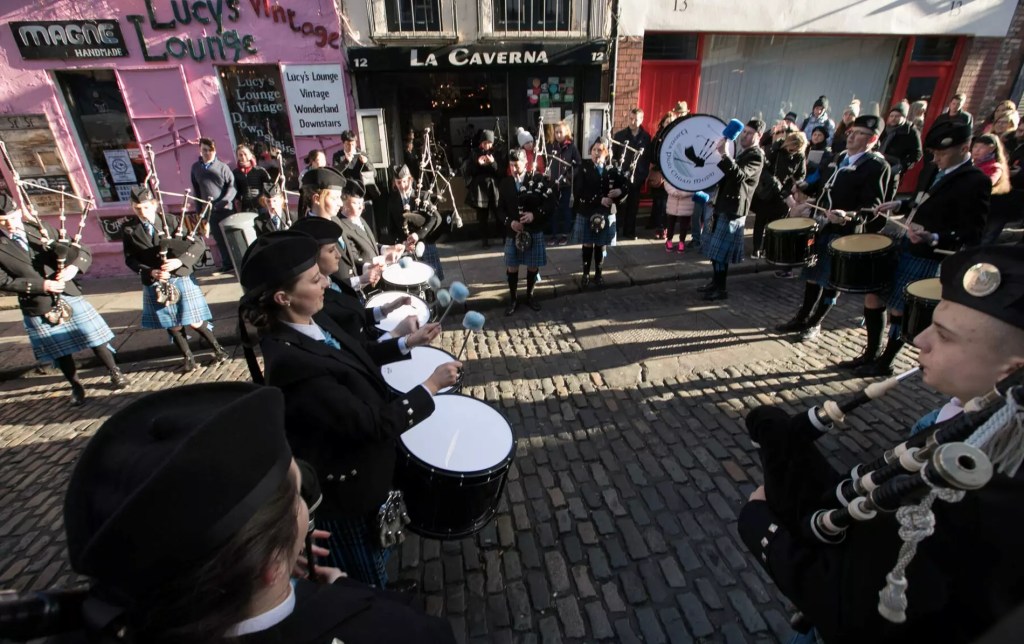
Walk through Temple Bar during TradFest and you’ll still see the festival’s origins in their purest form: free, un‑ticketed sessions spilling out of doorways, the clatter of bodhráns, fiddlers shoulder‑to‑shoulder around a table. The Smithwick’s Sessions, free events anchored in the quarter’s pubs and hotels, are the beating heart of that grassroots energy. Here, established players trade tunes with rising stars, and visitors stumble in for “just one pint” and end up staying for three sets.
But the festival has also grown—into cathedrals, castles, and heritage buildings that give the music a different kind of power.
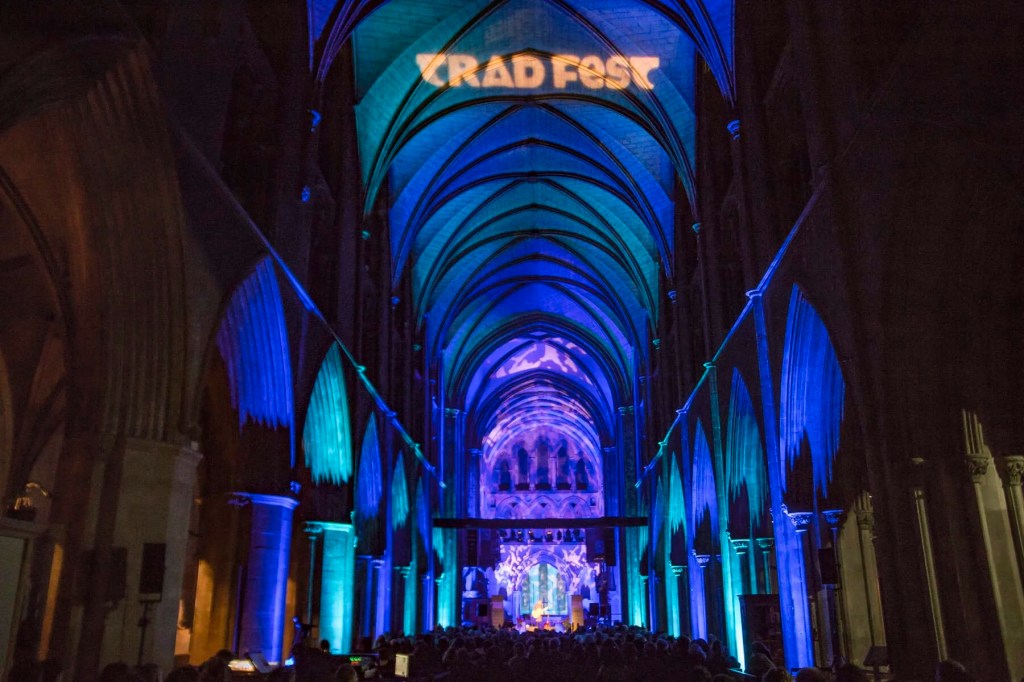
Nowhere is that more evident than in St Patrick’s Cathedral, where some of TradFest’s flagship 2026 concerts will take place. It’s an almost cinematic setting with stone columns, stained glass, and the long echo that turns a single note from a fiddle into something almost choral.
On Jan. 21, 2026, that space will host Aoife Scott & Women of Note, a concert that encapsulates how TradFest thinks about tradition. Scott, a Dublin singer‑songwriter from a storied musical family, stands firmly in the line of Irish balladry. But she’s joined by an international cast of female artists, celebrating women’s voices across cultures. It is trad as living heritage, looking back, but also decidedly forward and around.
The following night, St Patrick’s turns into something like a chamber‑music salon with a distinctly Irish soul. Chords and Timber, Reeds and Strings is a special concert experience that gathers some of the most respected names in the tradition—flute player Matt Molloy of The Chieftains, singer Maighréad Ní Dhomhnaill, fiddler Paddy Glackin, accordionist Derek Hickey and multi‑instrumentalist Mike McGoldrick—and sets them alongside a string ensemble. Threaded through the music are poetry readings by Oscar‑nominated actor Stephen Rea.
It’s a combination you might not expect, of high‑energy traditional playing, lush strings, and spoken word in a cathedral built in the 13th century. Yet it gets to the heart of TradFest’s purpose, to show that “trad” is not a museum piece, but living proof of the longevity and strength of a culture that has seen it all and survived.
Castles, harps and the quiet rooms
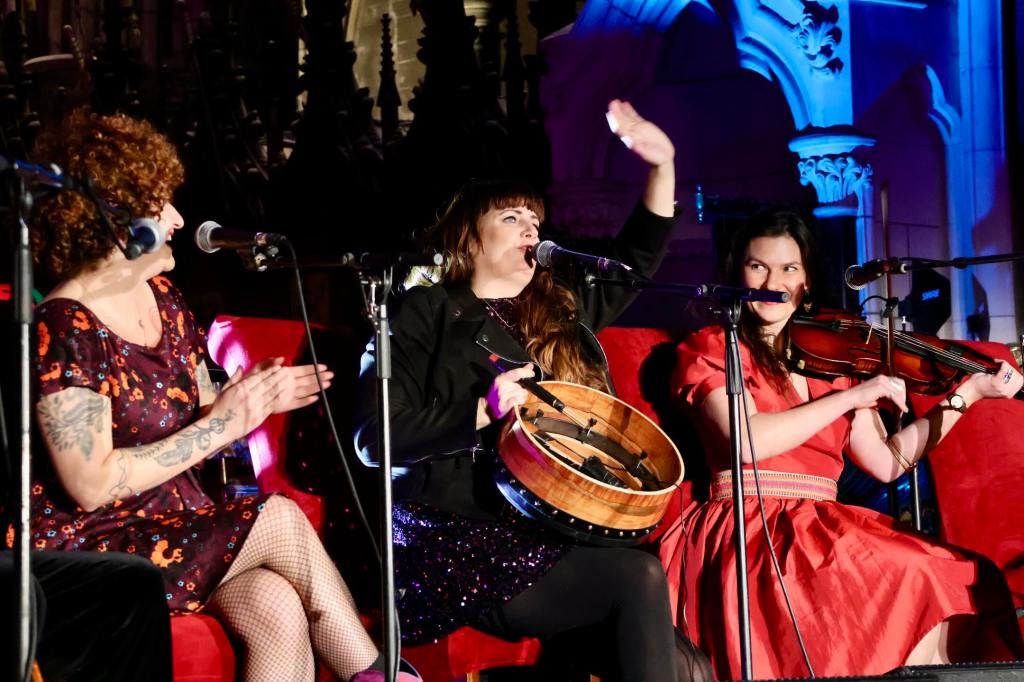
If the cathedral concerts provide the drama, the heritage venues offer intimacy. In 2026, Rathfarnham Castle and Ardgillan Castle become quiet listening rooms, where the music can be as much about breath and stillness as it is about fireworks.
At Ardgillan and again in Rathfarnham, harpist Gráinne Hambly will sit beneath stucco ceilings and sash windows with the national symbol in her hands. The Irish harp, long associated with courts and storytellers, has become almost a logo for the country, but in Hambly’s playing, it becomes personal again, fluid, intricate, and almost conversational. Hearing it in a castle drawing room connects sound with place in a way that feels less like a concert and more like eavesdropping on the past.
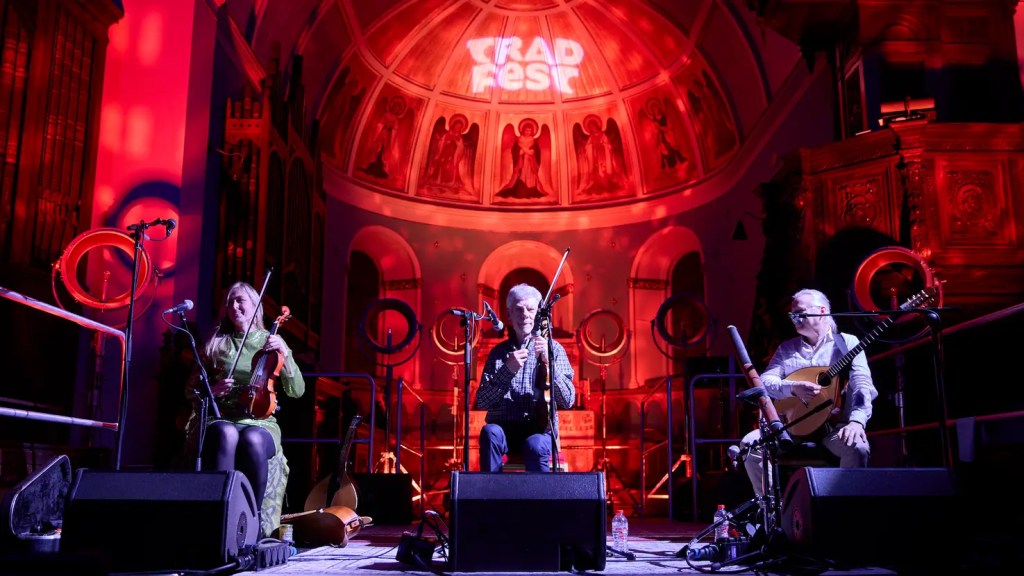
Later that day in Rathfarnham, Louise Mulcahy’s already-sold-out show will bring in a very different sound: the air‑filled rasp and cry of the uilleann pipes, Ireland’s uniquely complex bagpipes. There is nothing background about this sound. In the close quarters of a castle room, every regulator chord and chanter note feels immediate, reminding you that at its core, TradFest is about the virtuosity and depth of the Irish instrumental tradition.
Another powerful thread runs through the program: collaboration across cultures. Dublin‑based singer and multi‑instrumentalist Eoghan Ó Ceannabháin, steeped in Irish‑language song, shares the stage with Lebanese‑Irish vocalist Niamh Keady‑Tabbal. Their set weaves Irish and Arabic song traditions, connecting two very different melodic worlds through shared themes of migration, love, loss, and belonging. In a festival called TradFest, it’s a gentle but pointed reminder that tradition is not a border, but a bridge.
City streets and cement gardens
TradFest has never tried to freeze Irish music in amber. Alongside harps and fiddles, the 2026 lineup also makes space for more contemporary sounds that still feel rooted in the same storytelling instinct.
On 24 January, back in St. Patrick’s Cathedral, Dublin band A Lazarous Soul (also sold out) will perform songs from their 2024 album No Flowers Grow in Cement Gardens. Their music, somewhere between urban folk, post‑punk and poetic lament, is not trad in a strict sense. Yet their lyrics, steeped in Dublin streetscapes and social history, share the same DNA as older ballads that chronicled famine, emigration, and rebellion. In a way, they are carrying the tradition of the city balladeers into the 21st century, trading the thatched cottage for the tower block, but keeping the people at the center of the song.
This willingness to blur genre lines is part of what has allowed TradFest to grow from a local initiative into a festival with genuine international pull. Tourists now plan winter trips around it; Irish emigrants time homecomings to coincide with a week of tunes, and they are never disappointed. Local families might attend a free afternoon session in Temple Bar, then dress up for an evening in the cathedral, two very different experiences linked by the same core idea of music as a shared ritual.
Why January matters
On paper, it might seem odd to place such a major festival in January, the month when many arts organizations pull back. But that positioning has become one of TradFest’s strengths.
Economically, it gives Dublin a cultural magnet in the low season, filling hotel beds and restaurant tables when they would otherwise be empty. Socially, it offers a bright spot in the winter calendar, particularly for locals, who can reclaim the city center at a time when the summer stag parties and bus-tour crowds are largely absent.
Culturally, the timing also feels right. After the performative cheer of December, TradFest’s music—full of minor keys, old stories, and communal lift—can be surprisingly cathartic. There’s something deeply fitting about hearing a slow air in a stone nave while the rain lashes down outside; it acknowledges the season rather than trying to escape it.
The greater purpose
Beneath the tickets and timetables, the purpose of TradFest has remained consistent. The aim is to honor Irish traditional music by giving it serious stages and attentive audiences, nurture new voices, placing emerging artists alongside legends so the torch can be passed in real time, to connect music with place, using cathedrals, castles, and historic streets as more than just backdrops. And most importantly, it exists to show that tradition is alive in Ireland, open to collaboration with other genres and cultures.
In January 2026, that purpose will be visible in every corner of the city—from a cramped corner in a Temple Bar pub where a teenage fiddler nervously takes a solo, to the soaring grandeur of St. Patrick’s as Stephen Rea lifts a poem into the vaulted air between sets.
By the time the last tune is played and the last bodhrán packed away, the days will be a little longer, the city a little lighter. TradFest doesn’t defeat the Irish winter; it leans into it, filling its darkest nights with music that has, for centuries, helped people here endure and celebrate in equal measure.
 RELATED ☘️