BY SHELAGH BRALEY STARR
Head Librarian, Brigid’s Library Book Club
Ireland is far too complex to pigeonhole on any one bookshelf, but these 10 books sketch a living, changing country. It’s an island of departures and returns, of ghosts that won’t quiet and voices newly raised—rural and urban, boom and bust, queer and conservative—all arguing and singing on the same small page. Here’s a list of titles you can check out for your June reading.
Frank O’Connor, Collected Stories (various)
O’Connor’s best stories (“Guests of the Nation,” “First Confession,” “The Majesty of the Law”) open a window onto rural and small-town Ireland in the young state. You’ll find civil war legacies, clerical power, sharp wit, and deep loneliness. His mix of comedy and quiet devastation helps explain both the charm and the wounds that shaped mid‑century Irish identity.
Edna O’Brien, The Country Girls (1960)
O’Brien’s tale of two young women leaving the country for the city was once banned. Today, it reads as an early feminist map of escape. It reveals an Ireland where female desire, ambition, and imagination push against church and community expectations, echoing the motivations of many women who left and never came back.
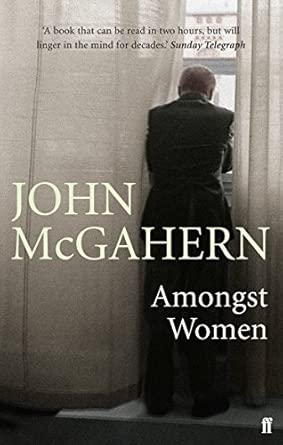
John McGahern, Amongst Women (1990)
In this novel of an aging IRA veteran tyrannizing his family, the domestic and the political are inseparable. McGahern captures a rural Ireland still ruled by patriarchy and habit. For readers abroad, it can clarify why older generations spoke in half-sentences and silences. The emotional economy of a house like Moran’s was its own hard republic.
Anne Enright, The Gathering (2007)
A modern family novel haunted by abuse and emigration, The Gathering is set in Celtic Tiger Dublin but steeped in older sorrows. Enright’s fractured, sardonic narrator reveals how trauma, secrecy, and the old deference to the Church persist even as the country grows rich. It’s a key book for understanding how boom-time Ireland never fully outran its ghosts.
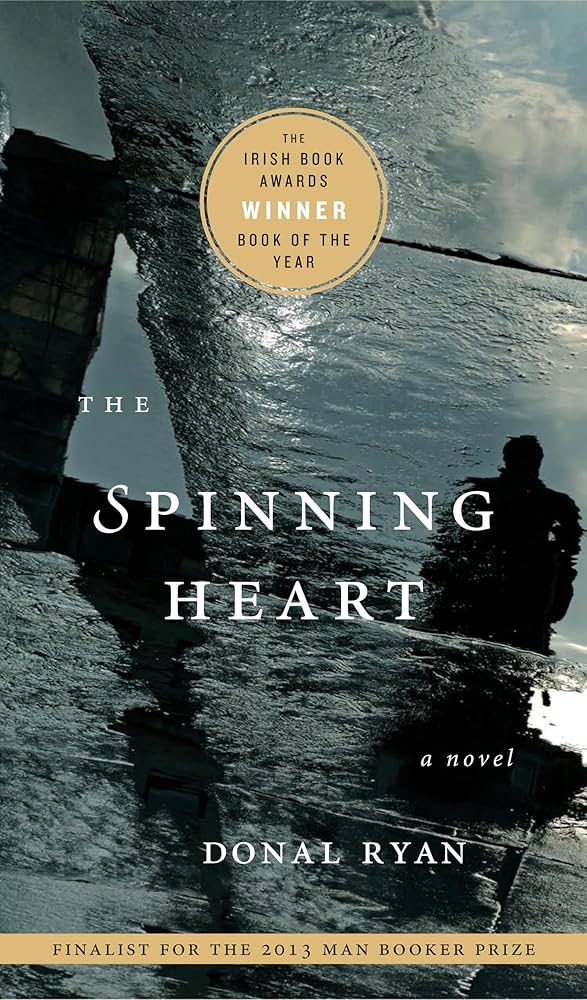
Donal Ryan, The Spinning Heart (2012)
This is one of my top 5 reads ever. Told in 21 voices in a single rural community, this short novel catches the crash of the Celtic Tiger as it hits ordinary people. Through ghost estates, job losses, bitterness and stubborn decency, Ryan shows an Ireland abruptly yanked from boom to bust. For the diaspora, it’s a reminder that the “new Ireland” of money was brief and unevenly shared. (And then jump right into the award-winning sequel, set a decade later, to catch up with many of the same heartfelt characters facing new challenges in Heart, Be at Peace.)
Sally Rooney, Normal People (2018)
Rooney writes from and about a generation shaped by the crash, university expansion, and the loosening of social taboos. Her on‑again, off‑again couple move between small‑town Sligo and posh Dublin, negotiating class, sex, and self‑consciousness. This is post‑Catholic, hyper‑online Ireland: still stratified, but emotionally articulate in ways earlier books could barely imagine.
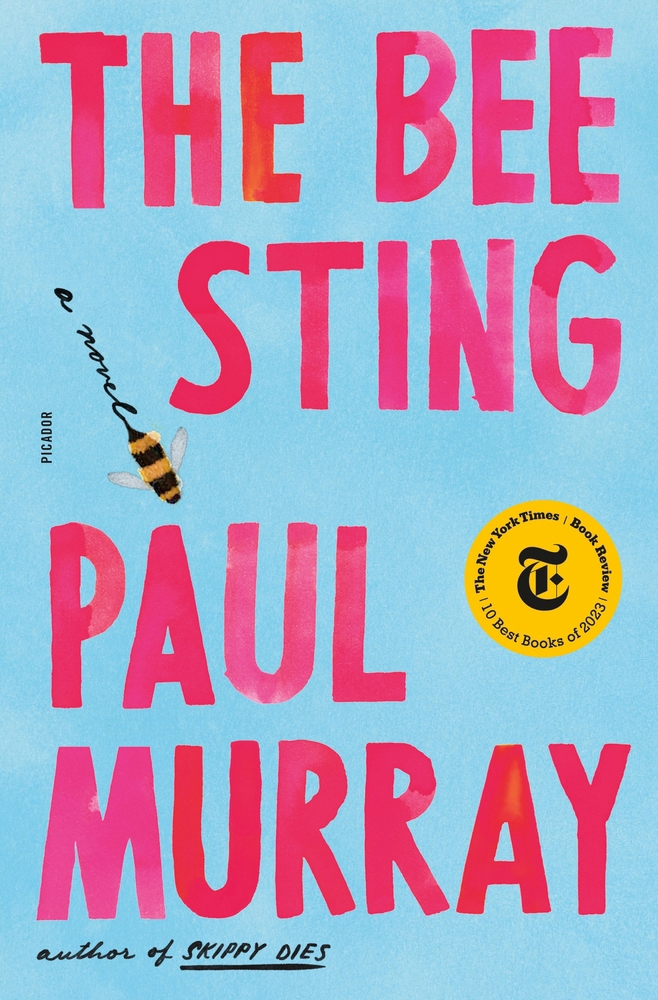
Paul Murray, The Bee Sting (2023)
This one came highly recommended by one of my most respected teachers. Set in a midlands town, Murray’s big, darkly comic novel follows a family unraveling under debt, climate dread, and buried secrets. It’s post‑Celtic Tiger Ireland as tragic farce, full of failing car dealerships, teenage YouTube rabbit holes, rural homophobia, and fragile masculinity. The Bee Sting shows how financial, ecological, and digital global crises hit a seemingly ordinary Irish family.
Emma Donoghue, Hood (1995)
Long before Ireland’s marriage equality vote, Donoghue wrote this quietly radical novel about a woman mourning her secret girlfriend in 1990s Dublin. Hood reveals an Ireland where queer lives existed in the shadows of Catholic norms. It is also rich with specific local detail of flats, buses, gossip, shame, and tenderness. It’s a bridge between the closeted past and today’s openly queer culture.
Melatu Uche Okorie, This Hostel Life (2018)
This brief, powerful collection, drawing on Okorie’s years in direct provision, widens the frame of “Irish writing” to include Nigerian-Irish voices and asylum-seeker experiences. Its mix of Nigerian pidgin, Hiberno‑English, and bureaucratic coldness shows an Ireland that is now a destination as well as a departure point—where questions of belonging, race, and language are being rewritten.
Taken together, these books map a journey: from the cramped streets of Joyce’s Dublin to today’s multiethnic, economically battered, culturally self-aware Ireland. For the diaspora, they offer both recognition and surprise: the country you left, the one you imagined, and the one that has changed without you—and because of you.
JOIN BRIGID’S LIBRARY BOOK CLUB for all the best Irish and Irish-adjacent lit chats! You’re always welcome at Brigid’s Library. Our current book-club read is A GHOST IN THE THROAT by Doireann Ní Ghriofa. The next one on tap is LAND by Magge O’Farrell. You can pick it up here, or at your local library or bookstore.

