By SHELAGH BRALEY STARR
RELATED Staff
Ireland’s story has always been told powerfully through its women, but in the 21st century their influence is more visible, global, and varied than ever.
Across culture, politics, and the arts, Irish women are not simply participating in public life; they are redefining it, reshaping how Ireland sees itself, and how the world sees Ireland.
The following six profiles spotlight some of the most compelling figures in this new landscape: novelists and activists, strategists and artists whose work travels far beyond national borders while remaining rooted in Irish experience.
CULTURE
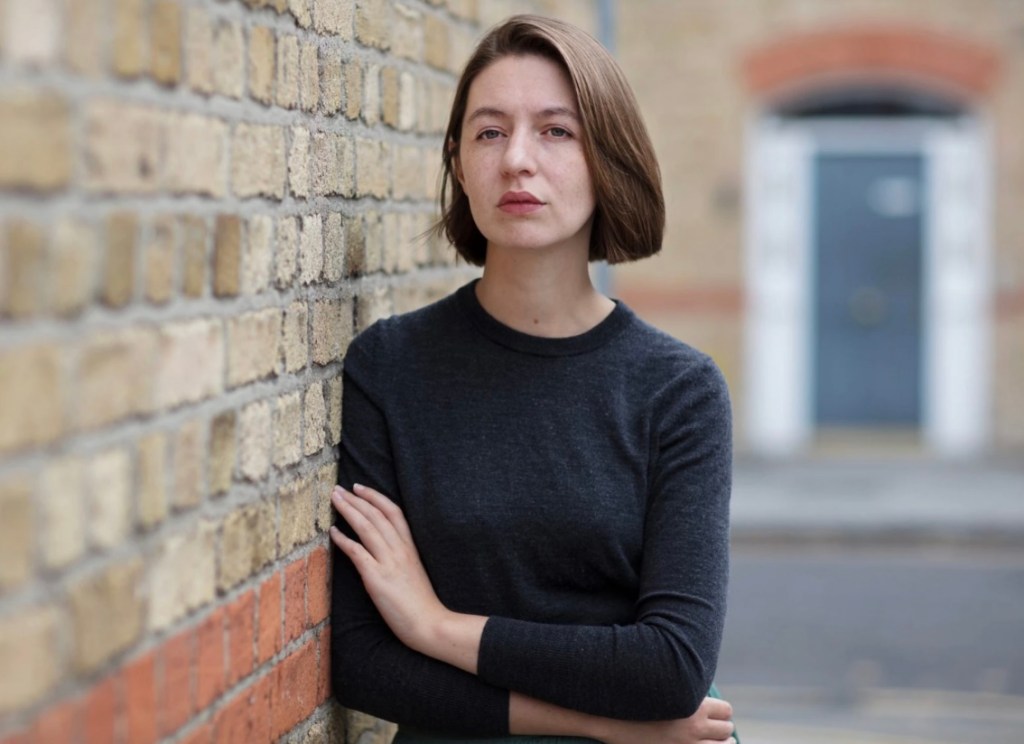
Sally Rooney has become the unexpected face of a new era in Irish writing. Born in County Mayo in 1991, she emerged onto the literary scene with Conversations with Friends, but it was Normal People that turned her into a global phenomenon. Rooney’s prose is deceptively simple—cool, spare, and unsentimental—yet she captures with startling precision the emotional lives of young people negotiating class, intimacy, and power in contemporary Ireland. Her characters exist in a recognizably Irish world of small towns, universities, and rented rooms, while their concerns—love, anxiety, politics, technology—feel universal. Adaptations of her novels for television have amplified her reach, making her a touchstone for a generation. Rooney is also notable for her ambivalence about fame and capitalism, often questioning the systems that propel her success. In doing so, she has helped reframe what an Irish writer can be: intellectually rigorous, politically engaged, deeply local, and globally resonant.
Marian Keyes is one of Ireland’s most beloved and influential writers, and a pioneer in taking women’s everyday lives seriously as literary material. Since the mid‑1990s, her bestselling novels have attracted millions of readers worldwide, but her subject matter is far from light. Beneath the warmth and humor, Keyes addresses addiction, depression, domestic violence, and the pressures placed on women to perform perfection. She has spoken frankly about her own experiences with alcoholism and mental health, making her a vital public voice in destigmatizing these issues in Ireland long before such conversations were mainstream. On television, radio, and social media, her mix of wit, empathy, and political awareness has turned her into a kind of national big sister, unafraid to criticize injustice or call out misogyny. Keyes’s work expands what Irish commercial fiction can do: It entertains, comforts, and, crucially, opens space for honesty about the messier realities of women’s lives.
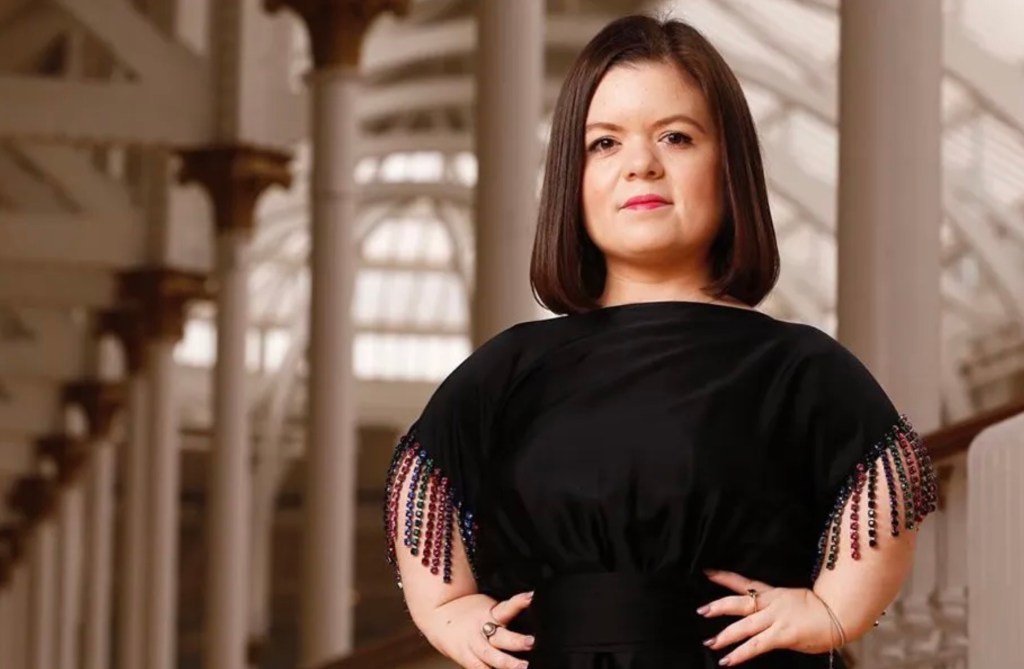
Sinéad Burke is reshaping global conversations about design, fashion, and accessibility from a distinctly Irish vantage point. Born in County Meath and standing just over three feet tall, she has used her experience of disability to highlight how the built world excludes so many people. A writer, educator, and disability activist, Burke came to wider prominence through her TED Talk on “Why design should include everyone.” Since then, she has worked with major fashion houses, appeared on the cover of British Vogue, and advised international organizations on inclusive design. Her 2019 book, Break the Mould, aimed at younger readers, encourages children to see difference as a strength rather than a flaw. Burke’s influence lies not only in her visibility but in her insistence that accessibility is not a niche concern, it is a basic requirement of a just society. From runways to policy forums, she has made inclusion a central, and unavoidable, part of the cultural conversation.
ADVOCACY
Orla O’Connor operates mostly outside the glare of party politics, yet her impact on Irish public life has been profound. As director of the National Women’s Council of Ireland (NWCI), she has been a key architect of some of the country’s most significant social changes in recent decades. O’Connor’s leadership during the campaign to repeal the 8th Amendment was particularly notable. She helped build a broad, intersectional coalition, combining grassroots activism with careful messaging and research‑driven advocacy. The successful referendum in 2018 was a watershed moment, and O’Connor’s strategic role in it cemented her reputation as one of Ireland’s most effective campaigners. Beyond reproductive rights, she has consistently pushed issues such as economic inequality, gender‑based violence, childcare, and political representation onto the national agenda. Calm, pragmatic, and media‑savvy, O’Connor exemplifies how power can be exercised through civil society, proving that policy can be shifted not only in parliaments, but in coalitions, communities, and public conversations.
ART
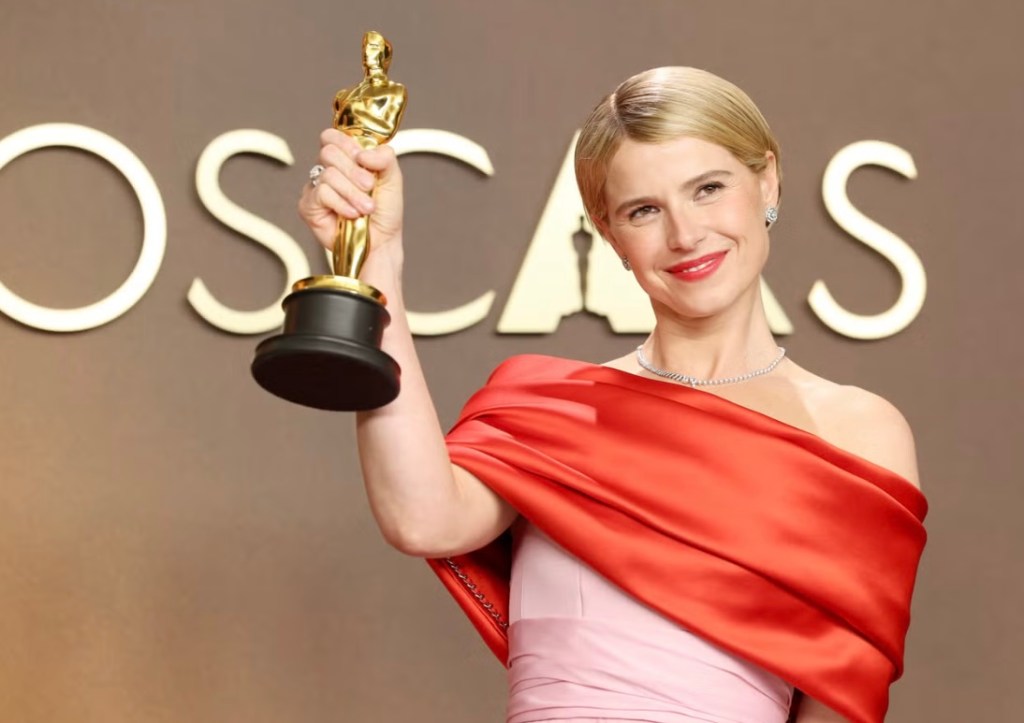
Academy Award winner Jessie Buckley has emerged as one of the most versatile and exciting actors of her generation, bringing a distinctly Irish sensibility to a wide range of international roles. Raised in the Kingdom of Kerry, she first came to public attention as a teenager on a TV talent show but quickly moved from musical theater into serious screen work. Her award-winning turn as Shakespeare’s wife Agnes in the movie adaptation of Irish author Maggie O’Farrell’s Hamnet brought her the greatest accolades yet. But before that, her breakout performances in films like Beast and Wild Rose, and later in The Lost Daughter and Women Talking, revealed a fearless performer drawn to emotionally complex, often troubled characters. Buckley moves fluidly between singing and acting, between intimate indie projects and major studio productions, while retaining a grounded, off‑kilter charm that feels unmistakably her own. She has also taken on challenging roles in television, including the surreal, genre‑bending series Fargo and Chernobyl. In an industry that often flattens Irish women into stereotypes, Buckley’s career stands out for its range and risk‑taking. She embodies a new model of Irish stardom: artistically adventurous, internationally mobile, and resistant to easy categorization.
Alice Maher is one of Ireland’s most important contemporary visual artists, known for unsettling, provocative works that probe the body, gender, and myth. Born in County Tipperary, she emerged in the late 20th century but remains a vital, evolving force in the Irish art world today. Maher works across media—drawing, sculpture, installation, photography—and often incorporates organic materials such as hair, thorns, and bone. These choices lend her work a visceral, tactile quality that challenges viewers to confront their own assumptions about femininity, domesticity, and the natural world. Irish folklore and Catholic iconography frequently surface in her pieces, but Maher twists them into strange, often subversive forms, questioning the stories that have long shaped women’s lives. Exhibited widely in Ireland and internationally, her work has influenced a generation of younger artists. In pushing against boundaries of taste, decorum, and tradition, Maher has helped carve out space for a more radical, feminist visual language within Irish art.
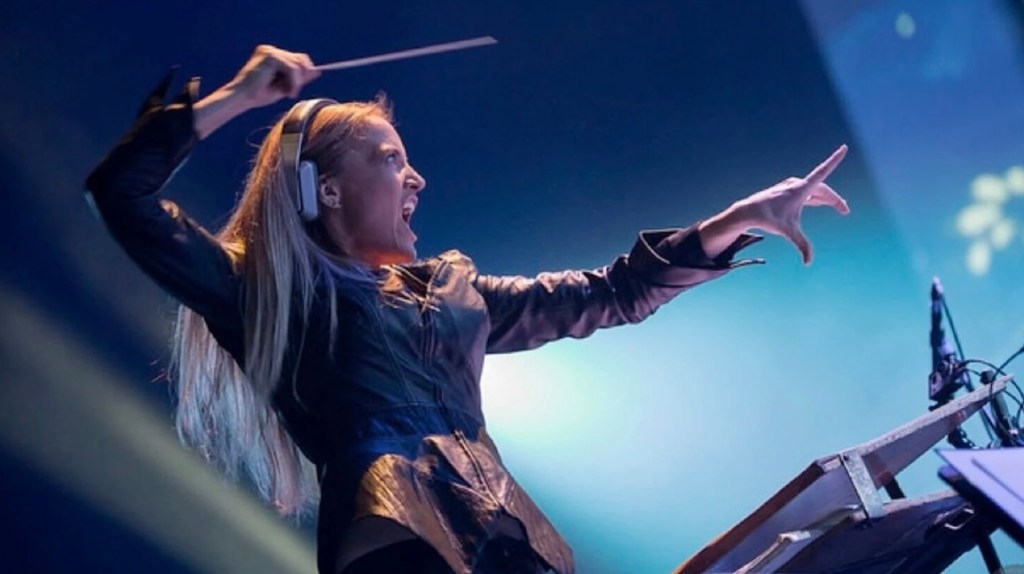
Eimear Noone is a trailblazing conductor and composer whose work spans symphony halls, film studios, and the world of video games. Raised in County Galway, she studied music and composition before moving into conducting, a field historically dominated by men. Her breakthrough came in the world of game music, where she composed and conducted scores for major titles such as World of Warcraft and Diablo III. These cinematic, emotionally rich soundtracks have been heard by millions of players around the globe, making her one of the most widely listened‑to Irish composers of her generation, even if many listeners do not know her name. In 2020, Noone made history as the first woman to conduct the orchestra at the Academy Awards ceremony, a high‑profile moment that symbolized broader shifts in classical music. She frequently returns to Ireland to perform and collaborate, championing music education and encouraging young musicians, especially girls, to see themselves on the podium. Noone’s career exemplifies a new kind of Irish artistic influence—technological, international, and unapologetically ambitious.

