By SHELAGH BRALEY STARR
RELATED ☘️ Staff
In a year already marked as a milestone for Irish genealogy, one small town in West Clare is preparing to host what may be the most timely family history gathering in the country.
From October 9 to 11, 2026, the Kilrush Genealogy Conference will bring researchers, historians, and descendants of the Irish diaspora to the House of Music in Kilrush, a building whose own layered past reflects the many strands of Irish history the conference hopes to explore. Known today as Teach Ceoil, the venue stands in Kilrush churchyard and has served different faith communities over time, making it a fitting setting for a weekend devoted to records and personal rediscovery.
Organized by the Kilrush & District Historical Society, the conference arrives on the heels of one of the most important events in modern Irish genealogy: the release of the 1926 Census of the Irish Free State on April 18, 2026. For family historians, the census offers a long-awaited snapshot of Ireland in the first years after independence, and interest in the records has surged since they became public.
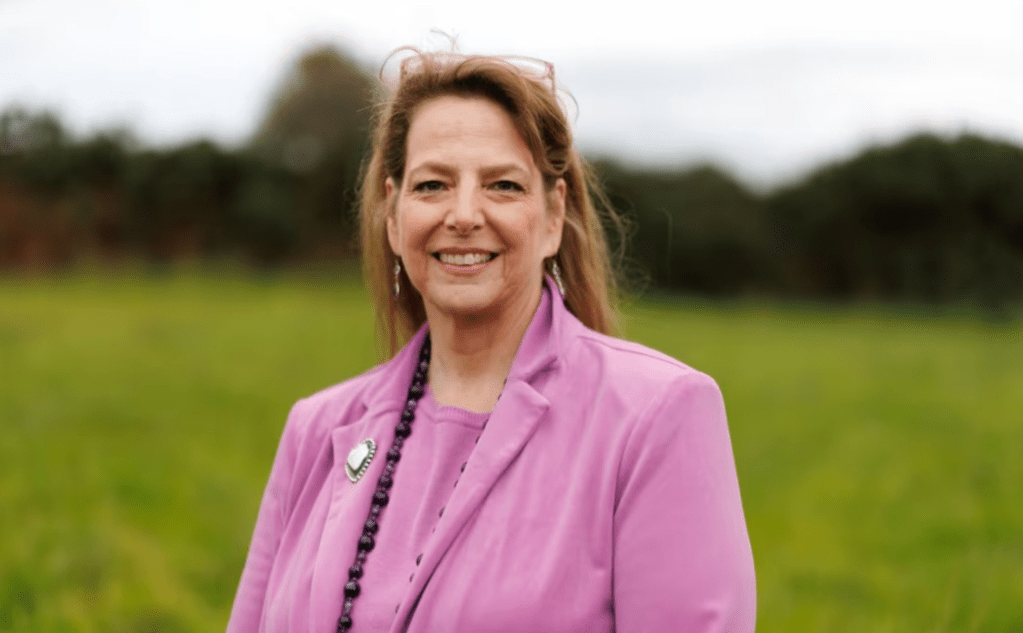
Mary-Alice Wildasin, one of the driving forces behind the event, says the conference grew from a straightforward but ambitious idea.
“We just asked,” she says of assembling the speaker lineup. “We sat down and decided who we wanted to have come present and speak. Between Paddy Waldron and myself, we knew all but one of the speakers personally. Being a genealogist, you want to share and help people.”
That spirit of generosity is at the heart of the weekend. While the conference will certainly appeal to experienced researchers, it is equally designed for people just beginning to explore their Irish roots, as well as those who have hit frustrating dead ends.
“We’re hoping people bring their brick walls, or if they’re new to genealogy,” Wildasin says. “Even though in Kilrush we’ll have Kilrush ancestry, we want to be broader than that.”
Although the event is rooted in West Clare, its focus extends across Irish records, research strategies, social history, and even DNA analysis. According to organizers, it is the only multi-day conference specifically centered on the 1926 census this year.
The speaker roster reads like a who’s who of Irish genealogy. Zoë Reid of the National Archives of Ireland is scheduled as keynote speaker, joined by former National Archives official Catriona Crowe, renowned genealogist and author John Grenham, Irish Family History Centre and Trinity College Dublin expert Fiona Fitzsimons, DNA specialist Maurice Gleeson, historian Rachel Murphy of the University of Limerick, and genealogist David Ryan.
Together, they will examine the 1926 census from multiple angles: how to read it, how to connect it to the 1901 and 1911 censuses, how to use it alongside pre-1901 records, and how it can illuminate broader questions of family and community life.
“People get so caught in the genealogy data, they don’t often know the social history,” Wildasin says, pointing to one of the conference’s recurring themes: that names and dates matter, but so do the worlds people inhabited.
Grenham, whose work is so widely respected that Wildasin calls him “the bible of Irish genealogy,” will help attendees navigate the vast landscape of records and digital resources. David Ryan will focus in part on what happens after a researcher locates an ancestor in the 1926 census, what clues can be pulled from that entry, and where those clues can lead next.
Fiona Fitzsimons, described by Wildasin as “absolutely kind of a legend,” is expected to bring her trademark energy to a subject many researchers underestimate: naming patterns and surnames. Drawing on the lyric in Rocky Racoon, the song by the Beatles, “Her name was Magill, and she called herself Lil, but everyone knew her as Nancy,” Fitzsimons will explore the ways Irish naming conventions can both reveal and obscure family connections.
And then there is DNA, a field that has transformed genealogy in recent years. “Maurice Gleeson is our DNA expert, such a hot topic,” Wildasin says. “We are so pleased we’ve been able to get such a well-rounded slate of information.”
The goal is practical as much as inspirational. Wildasin hopes attendees will leave with tools they can use immediately. “I hope they take what they’ve learned and maybe break through a brick wall or two, to move their genealogy forward.”
To make that possible, organizers are planning one-to-one consultations with genealogists in two dedicated sessions during the weekend. These 20-minute meetings are intended to be focused and useful, with attendees encouraged to bring one specific research question.
“Someone who knows the records will say, let’s see, to find this, we need to access these records to see results,” Wildasin explains. For some, that short consultation may be enough to unlock the next step. For others, it may open the door to more in-depth professional research later.
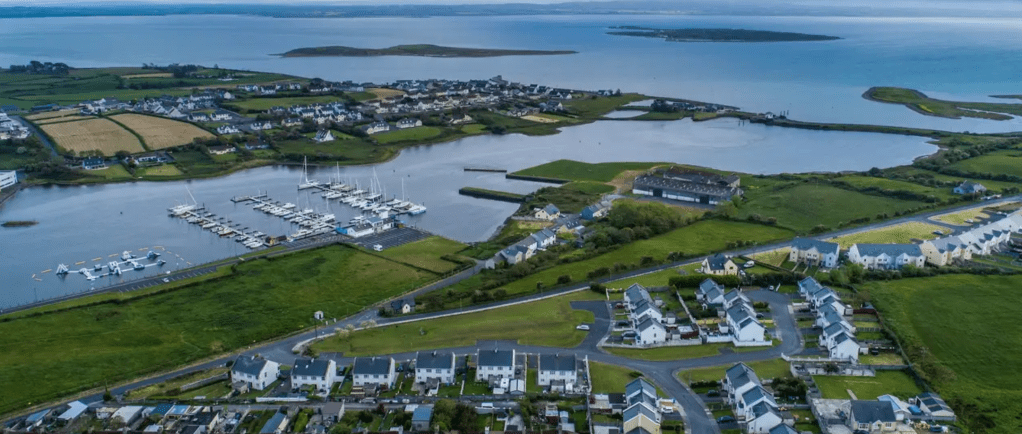
The conference will delve into archives and drive analysis. But it is also a tribute to West Clare, a region Wildasin believes is too often overlooked by visitors racing toward better-known destinations.
“I am really excited for people to come to West Clare, because it’s kind of overlooked,” she says. “Most visitors come in on the Shannon Ferry and go straight to the Cliffs of Moher, because that’s where Google tells them to go.”
This conference invites them to pause and look again.
Add-on tours include Loop Head and Scattery Island, while free events include a historical walking tour of Kilrush and a traditional music session. For Wildasin, Scattery Island is especially close to her heart. The island, at the mouth of the Shannon Estuary, is home to the remains of seven churches and a monastic settlement founded by St. Senan. Once inhabited until the 1970s, it offers a striking window into an older island life.
“Scattery Island was isolated,” Wildasin says. During the Famine, she notes, the island suffered differently from the mainland because fishing provided a vital source of food. Today, the site is managed by the Office of Public Works and remains something of a hidden gem, drawing only several thousand visitors a year.
The appeal of the conference, then, lies in more than its lectures. It is the chance to connect records with landscapes, family stories with physical places, and personal searches with a wider historical imagination.
Only 100 tickets are available for the conference itself, with places on the Scattery tour already going quickly. If the weekend is a success, Wildasin says, the organizers may consider making it a biennial event.
 RELATED ☘️