OCTOBER BOOK REVIEW for Brigid’s Library Book Club, the book club exclusively for Irish by Ancestry members and friends
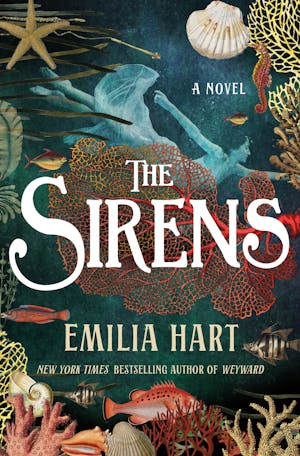
THE SIRENS, by Emilia Hart, St. Martin’s Press (Macmillan), April 2025
By SHELAGH BRALEY STARR
RELATED☘️ Staff
Warning: THE SIRENS’ song is hard to resist. And even harder to leave behind.
It took me more than a week to stop thinking about it and settle on another book, narrowly avoiding the shoals of a dreaded reading slump.
In THE SIRENS, Emilia Hart’s bestselling follow-up to WEYWARD, readers experience three colliding emotional arcs, bound together by the sea: Lucy in 2019; Jess, in 1999; and Irish sisters Mary and Eliza in the 1800s, aboard the Australia-bound convict ship, the Naiad.
Balancing magical realism against compelling family drama and all-too-common, scandalous modern headlines, THE SIREN’s three timelines combine to form an inescapable undertow of mystery.
Lucy, an ambitious journalism student, struggles with bad dreams and sleepwalking. After a shocking clash at school that ends in public humiliation and probable expulsion, she escapes to visit her older sister, Jess, in Comber Bay on the coast of Australia.
Artist Jess is missing when Lucy arrives, which makes no sense, because her work is scheduled for an upcoming gallery showcase. Her house—in such disrepair, it is practically decaying into the sea—has been left disheveled; her abandoned phone and old journal tempting Lucy with clues to where her older sister has gone, and why.
Jess is having her own reckoning, where the past is coming at her too fast, and she must face the consequences. She is the most interesting character, a withdrawn young woman with a rare allergy to water that makes her self-conscious and uncomfortable, seeking solace in her art. Her kindly parents mean well—but are they even her parents? Or are they hiding something, too?
Jess’ old journal takes Lucy through Jess’ hardest adolescent times, revealing more than she wants to know, but forcing revelations she can’t shake off.
Lucy, too, dreams of women at sea. Lucy, too, reacts to water.
Why didn’t anyone ever tell her they shared this difficult trait? They might have been able to console each other. Why wouldn’t her older sister want to give support and advice? Why has Jess always been so distant, when Lucy knows she loves her?
READ OUR EXCLUSIVE Q&A WITH THE AUTHOR HERE
As Lucy unravels the chapters of the past that involve Comber Bay’s treacherous Devil’s Cave and a mysterious baby found within, Cork sisters Mary and Eliza suffer an ocean passage trapped in the prison deck of a ship bound to carry them away from their home and beloved widowed father forever. The atmospheric prose is haunting, and their experience horrific. The women aboard the Naiad are a strong representation of Irish women everywhere, at turns defiant and soft-hearted, caring for each other, determined to survive. The sensory overload of being at sea in the dark is oppressive, the hunger, filth, revulsion and terror all amplified by the detail that one twin, Eliza, was born blind. Mary had spent a lifetime being Eliza’s eyes, translating the world for her. And so, the black void of the ocean passage is much harder on Mary, relying on her other senses, experiencing the true depths of Eliza’s reality, less accepting of it than Eliza ever was.
The ocean was never their refuge; their father took them away from the coast after their mother’s tragic drowning. As the leaky ship rocks along to New South Wales, month after month, the seeping water causes the twins unspeakable pain, sores—changes they cannot explain, making them glad for the darkness that hides them.
The mystery deepens around the many men who disappeared in Comber Bay, where Lucy searches for Jess, the details playing out like one of her favorite true crime podcasts. Sailors report hearing women’s voices, singing on the waves. Lucy is sure the rumors are all connected somehow, each missing person suspected of foul play against women before they disappeared forever. When she finally breaks the story and the whole truth rises to the surface, the connections reveal betrayals worthy of female rage and mythological transformation.
Through their bonds, the women in this story redefine sisterhood, solidarity, and what it means to be connected by trauma and sacrifice—but it is not a straight line to healing. The narrative of harm to women is as prescient as it can be right now, in a world that protects male offenders while silencing their targets.
But THE SIRENS serve up rebellion, freedom, and protection in answer. You’ll hear their call long after you’re done reading.
If this book interested you, and you’re craving more thoughtful conversation about books, consider yourself invited to Brigid’s Library Book Club.
We are a warm, welcoming global group of readers who dive deeper into what we read, share honest reactions, and participate in relaxed conversations with each other and the Irish-focused authors who share their talents with us.
Whether you are a voracious reader or just getting back into books, you’ll find a friendly space to connect, reflect, and discover your next great Irish read. Pour a cuppa and join the conversation at Brigid’s Library.
Our October book club pick is THE PIRATE QUEEN by New York Times bestselling author Ariel Lawhon.
Join the group through the website to receive our monthly notes on books and events to discuss them, then share your thoughts, reviews, and recommendations on our Facebook group. Your new favorite cozy corner of the Irish literary world is waiting. See you there!
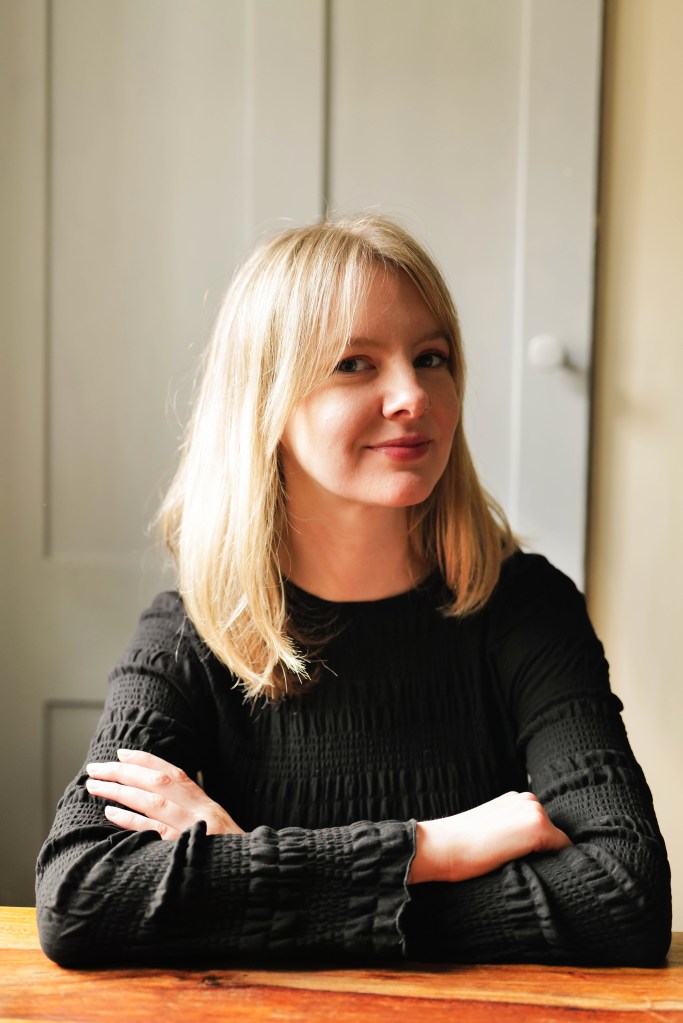
Shelagh Braley Starr is head librarian at Brigid’s Library, admin of Irish by Ancestry, and editor of RELATED☘️ magazine. A journalist with special interest in Irish history and literature, she has written her first novel, based on the Irish myth of Cú Chuláinn’s wife, Emer. You can reach her at shelagh@byancestry.com


1 thought on “Hart Makes Convict Ship SIRENS Irresistible”