BY SHELAGH BRALEY STARR
RELATED ☘️ Staff
ARMAGH, Northern Ireland—Goddesses, Saint Patrick, and even High King Brian Boru called it home. It’s known as “the First Place,” for the city’s many historic firsts, but it could also be because first-time visitors to Armagh are so welcome.
Armagh City might be the smallest in Northern Ireland, but much of significance to see here. With a footprint of 3.97 square miles, the city is easily walkable and will treat you to incredible views, each one at higher elevation than the last.
Seat of the archbishops of both the Church of Ireland and the Roman Catholic Church, it’s a competition of cathedrals from one hill to the next.
“Saint Patrick came to Armagh, converted the chieftain to Christianity, then asked for this land to build his church on,” said Brian Johnston, head of tourism, arts, and culture, of Saint Patrick’s Church of Ireland Cathedral. “The chieftain refused, but then gave in, and so Saint Patrick built here, in the year 445.”
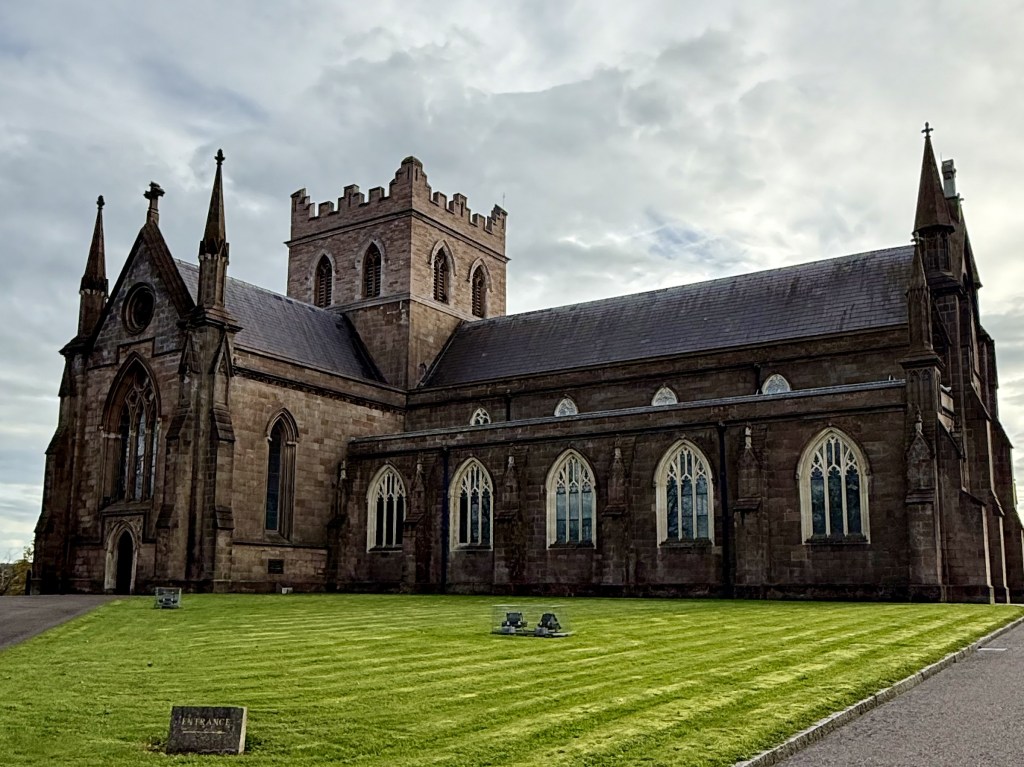
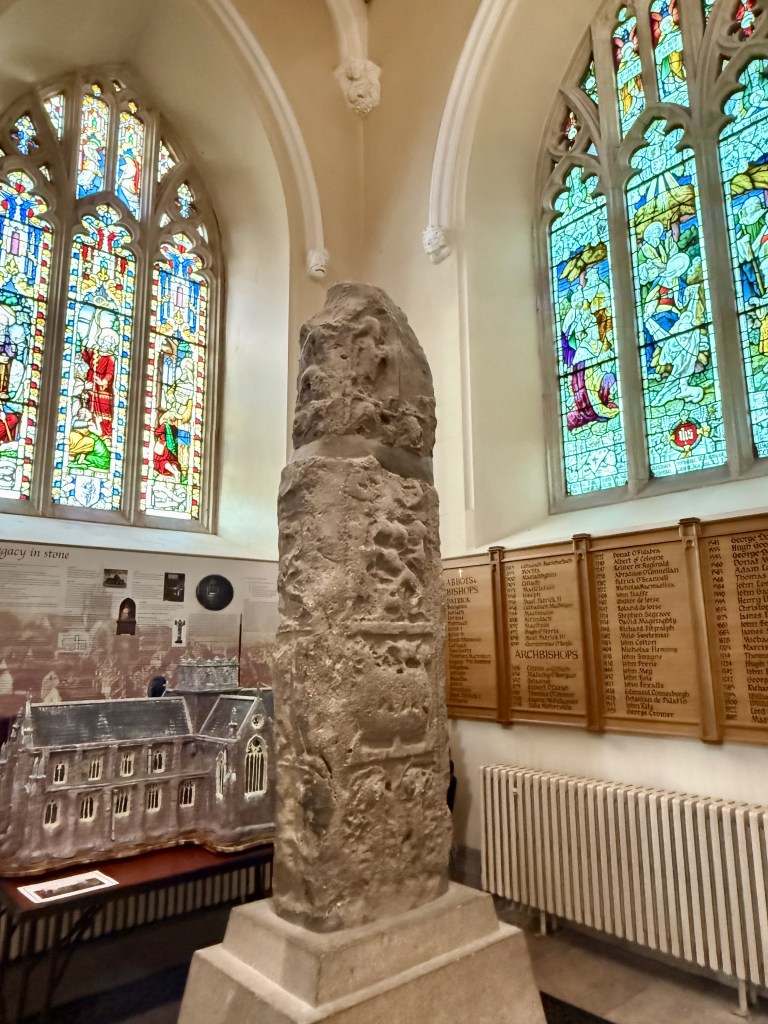
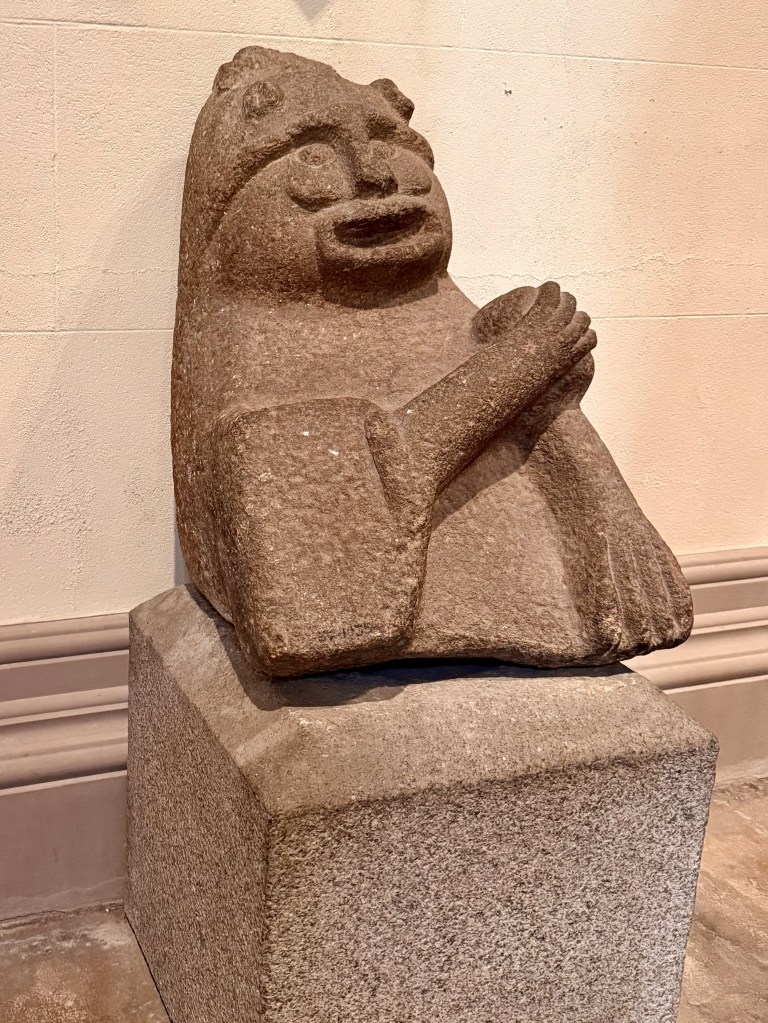
The current cathedral rests on the bones of Saint Patrick’s original church, with this one built in 1268. The cathedral showcases relics from the original site, including a great stone pillar carved with ancient marks and the Tandragee Man, a 3,000-year-old stone idol representing the pagan god Nuada, ruler of the Tuatha Dé Danann.
The cathedral sits on “Ard Macha” in Irish, “Macha’s Height,” overlooking Navan Centre & Fort, the pagan center with mythological ties to Armagh’s hero, Cú Chulainn.
The interior sparkles with light from 24 stained glass windows, and the exterior features a garden and a plaque marking where the last High King of Ireland, Brian Boru, was buried in 1014.
Nearby on Abbey Street stands one of the oldest libraries in Ireland, the Armagh Robinson Library, built in 1771 by the Archbishop Robinson. It contains early Christian artifacts, including a special collection of books, manuscripts, even coins and gems. Visitors can also view the 1835 Ordinance Survey Map.
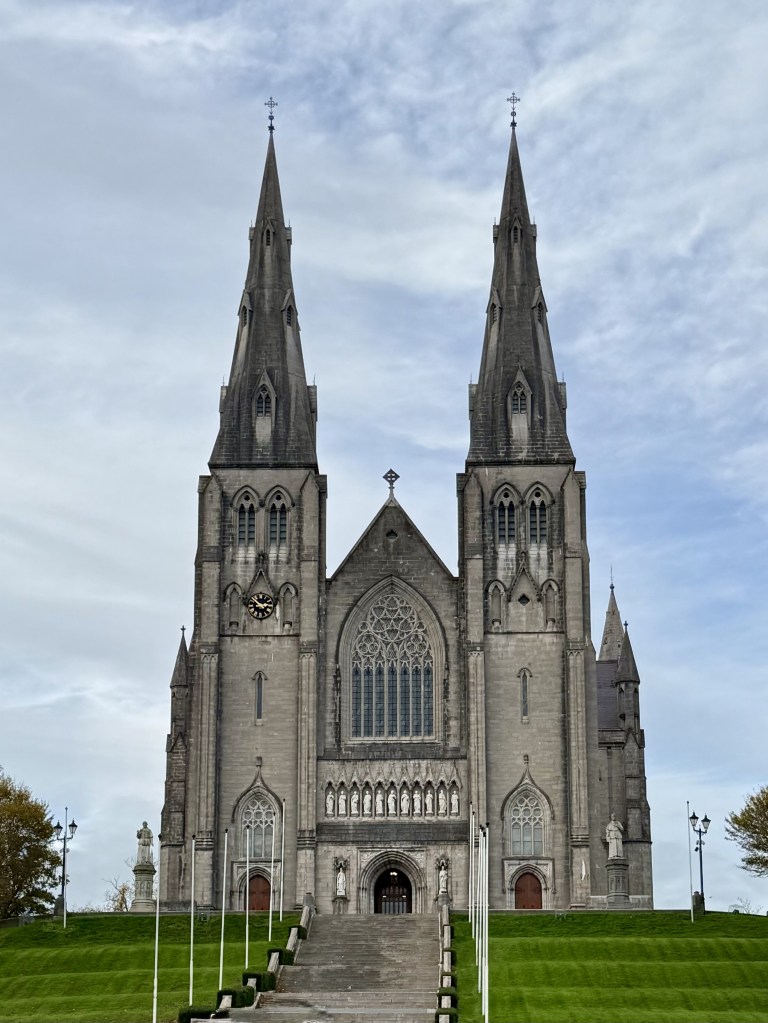
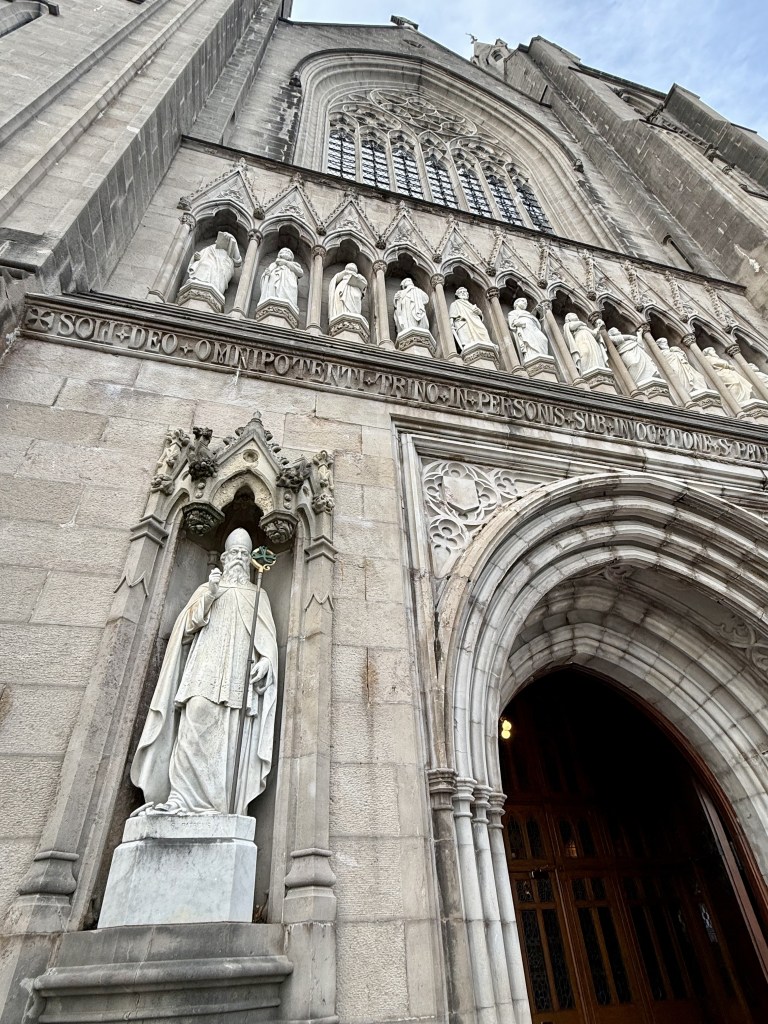
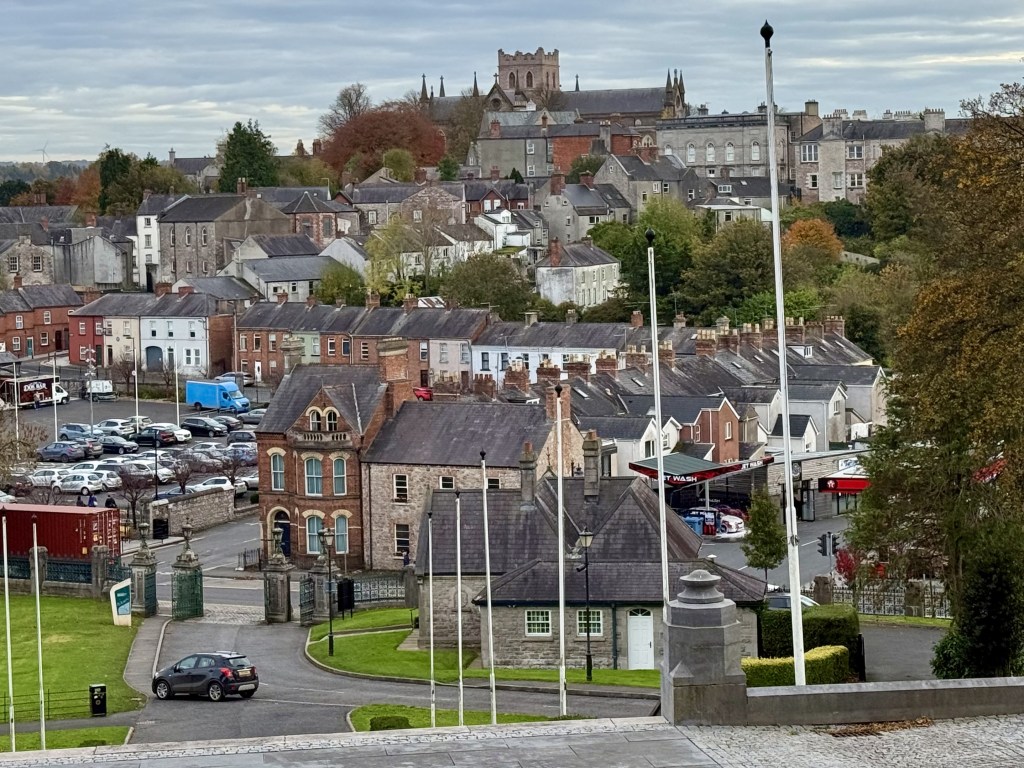
Across a greenway, St. Patrick’s Roman Catholic Cathedral is an exquisite neo-Gothic creation of limestone and Dungannon freestone, its floors laid with intricate Irish knot mosaic. Construction began in 1840, after the Catholic Emancipation Act of 1829, but it was not completed until 70 years later, paused by the famine, so the church could help feed the hungry.
“The original architect had died, unfortunately,” Johnston said, pointing out spots on the façade where stone accents differed from side to side. “Saint Patrick built on the hill to look down on the pagans of Navan Fort, and the Roman Catholic church built to look down over the Church of Ireland.” In the distance, the Anglican church peeks over the building tops.
Popping in on Aonach Mhacha, the sunny Irish cultural center on English Street, artists and performers prepare for a series of events celebrating Irish history and heritage. Here, locals gather to learn Irish, delve into Irish literature, enjoy traditional Irish music, and more.
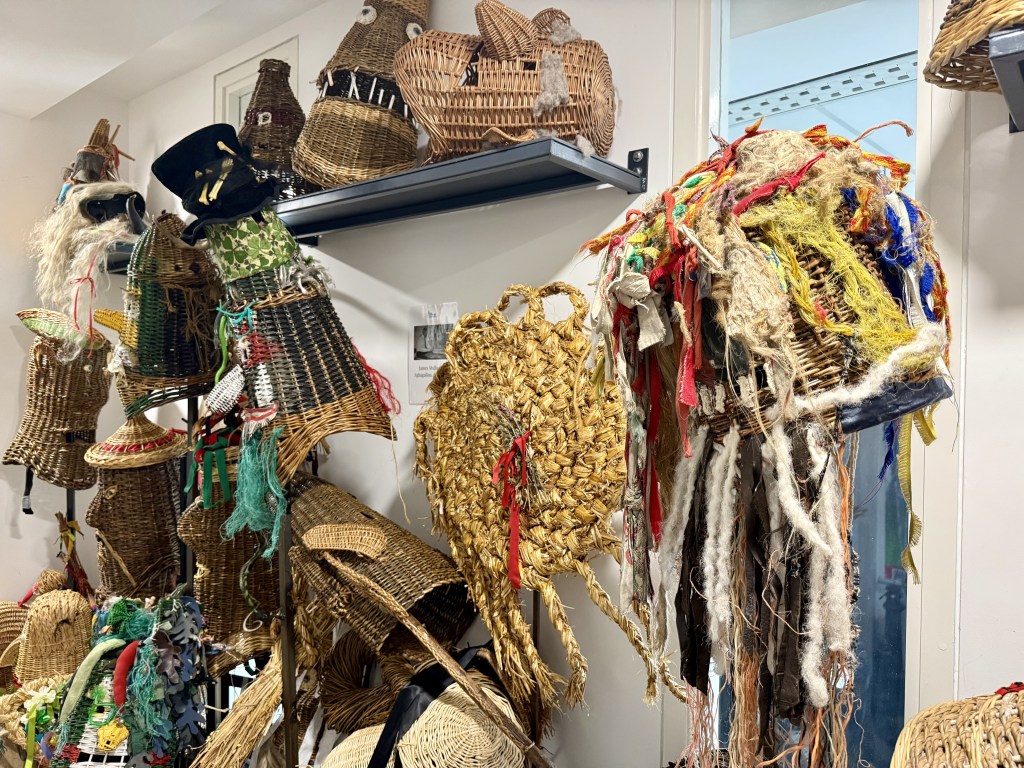
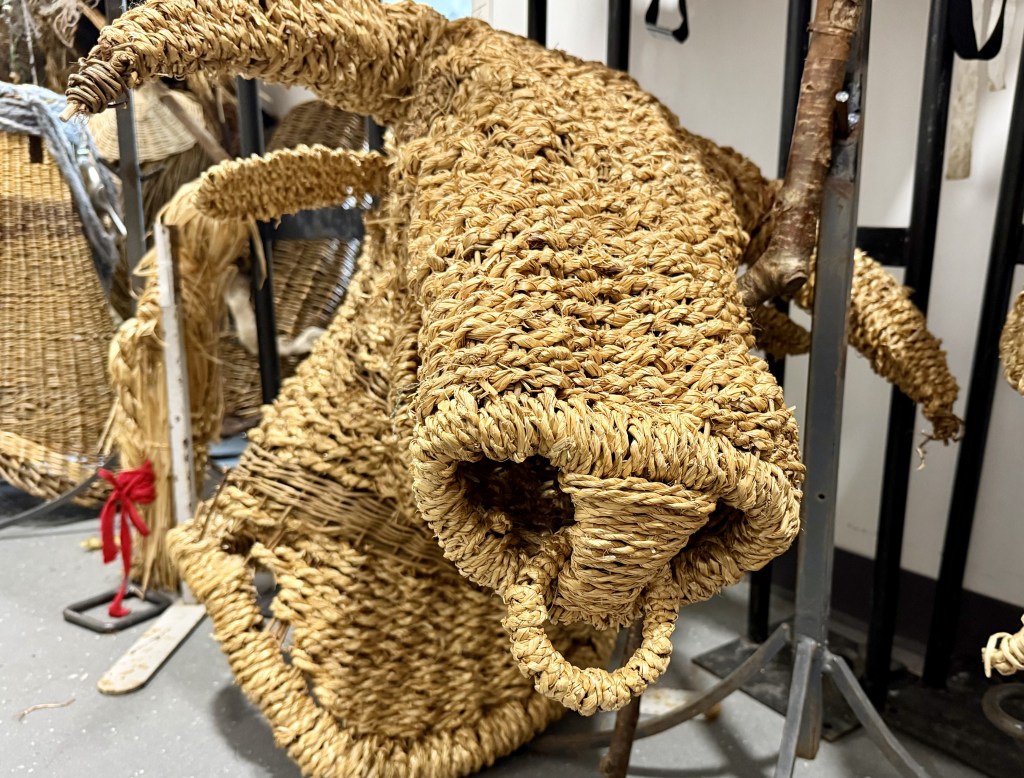
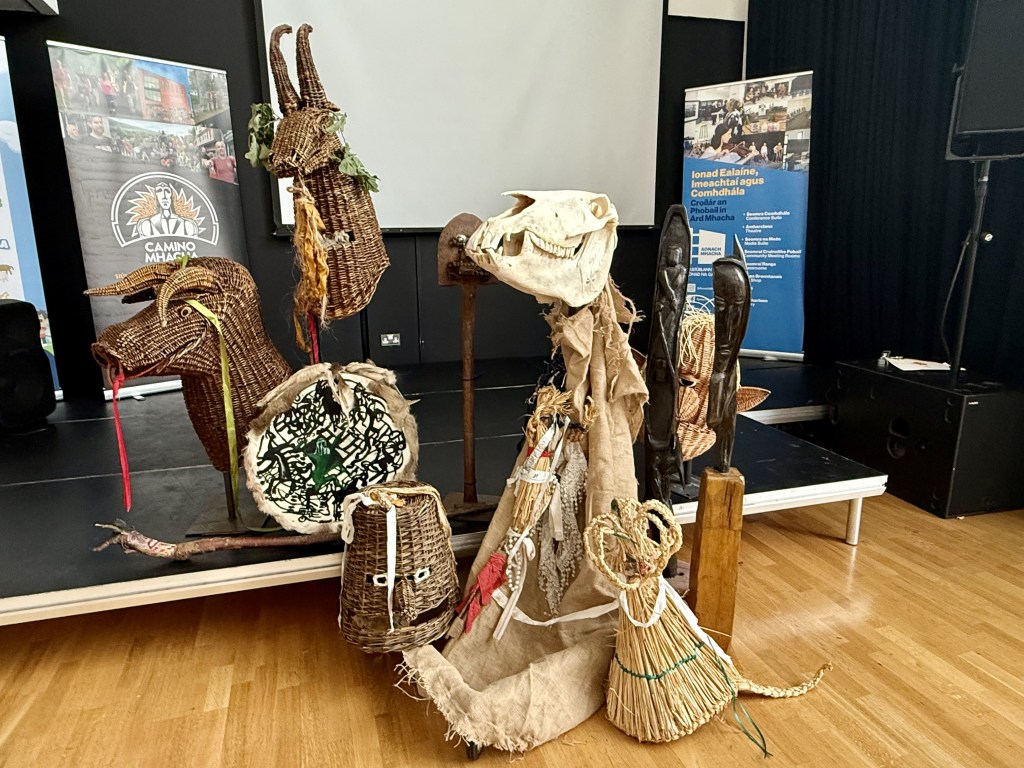
Artist Dara Vallely provides a scrapbook-worthy tour through the exploits of the world-renowned Irish folk theatre group he founded, the Armagh Rhymers. Preserving and performing traditional music and “mumming,” Vallely and his players have traveled all over to share their iconic straw costumes and masks. The room is a menagerie of colorful woven faces, wicker bulls and dragons, all used to keep the “Theatre of the People” alive.
Director Anne Hart and program manager Clare Jennings prep for an upcoming festival celebrating Macha, Armagh’s patron goddess, and rush to gather masks to construct a backdrop in the black-box theatre in advance of an RTE interview of a local poet. The bright new facility features a large Irish-language book shop, a café, and hosts classes, exhibitions, camps, and more.
After a day of touring, there could be no better surprise than On the Hoof, on Annareagh Road in Richhill, Co. Armagh. Owners Fiona and Niall Chapman offer a genuinely warm welcome, along with a table full of authentic barbecue. From perfectly smoked ribs to brisket that melts in your mouth, smoky baked mac and cheese straight from the brick oven, Napoli-style pizza, this menu is a monumental surprise.
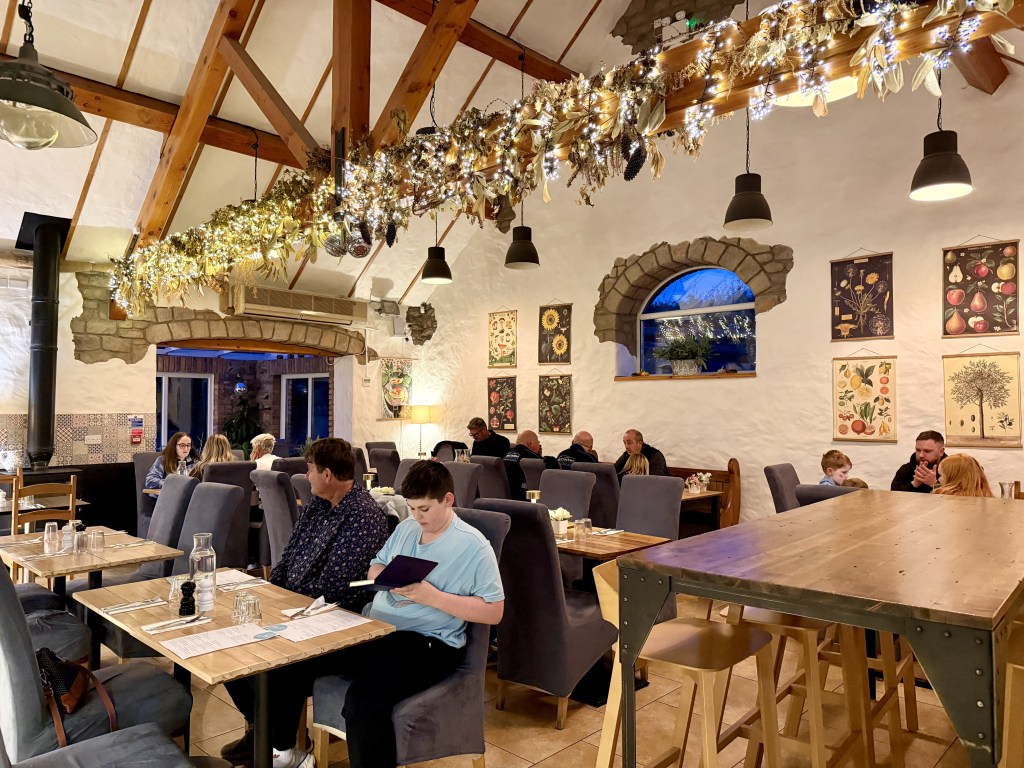
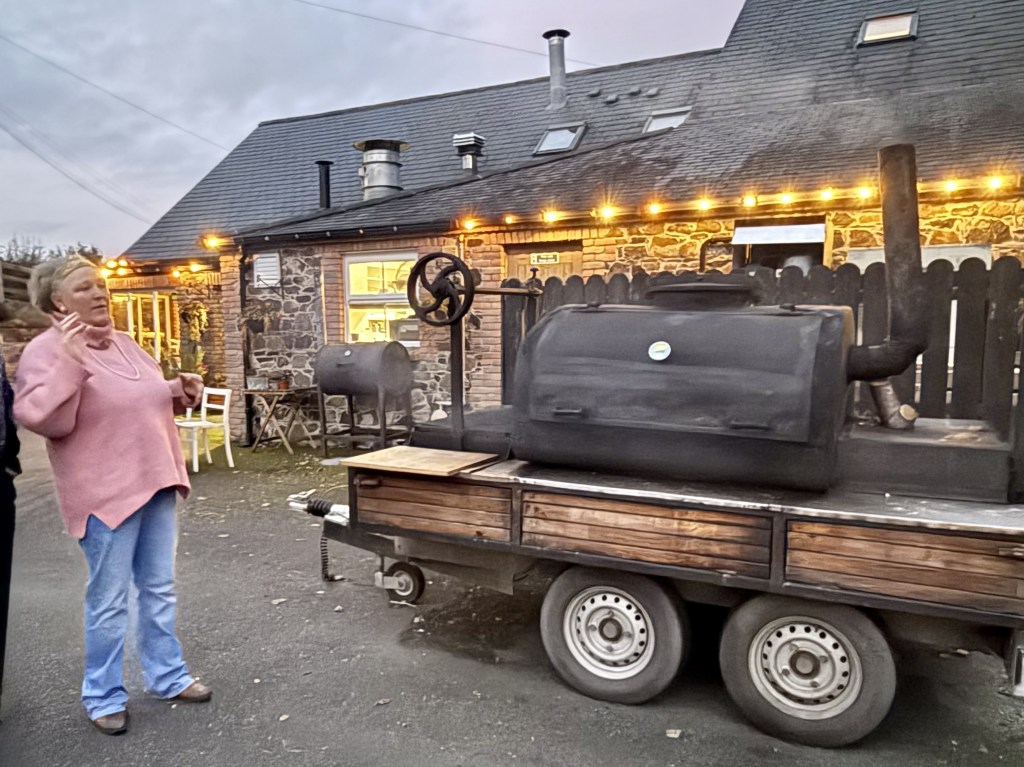
Tucked into a charming renovated linen factory along the Tall River, with exposed brick peeking out under twinkling lights, On the Hoof proves the Irish culinary scene is a revelation. Fiona, Niall, and son Rory are well known for their innovative, converted double-decker London bus converted into a catering café. This restaurant is a natural expansion of a talent stoked in a Texas smoke pit. For Fiona, Irish beef has no substitute. “I like to think it’s because they have all this land, and they are happy,” she said with a smile.
One of the best things about Armagh is its genuine nature. Everywhere you go, there are locals enjoying themselves, from the classic Keegan’s Bar & Restaurant on Irish Street in Armagh City (Order the Roast Dinner!), to student field trips at Tayto Tours in Tandragee, Craigavon.
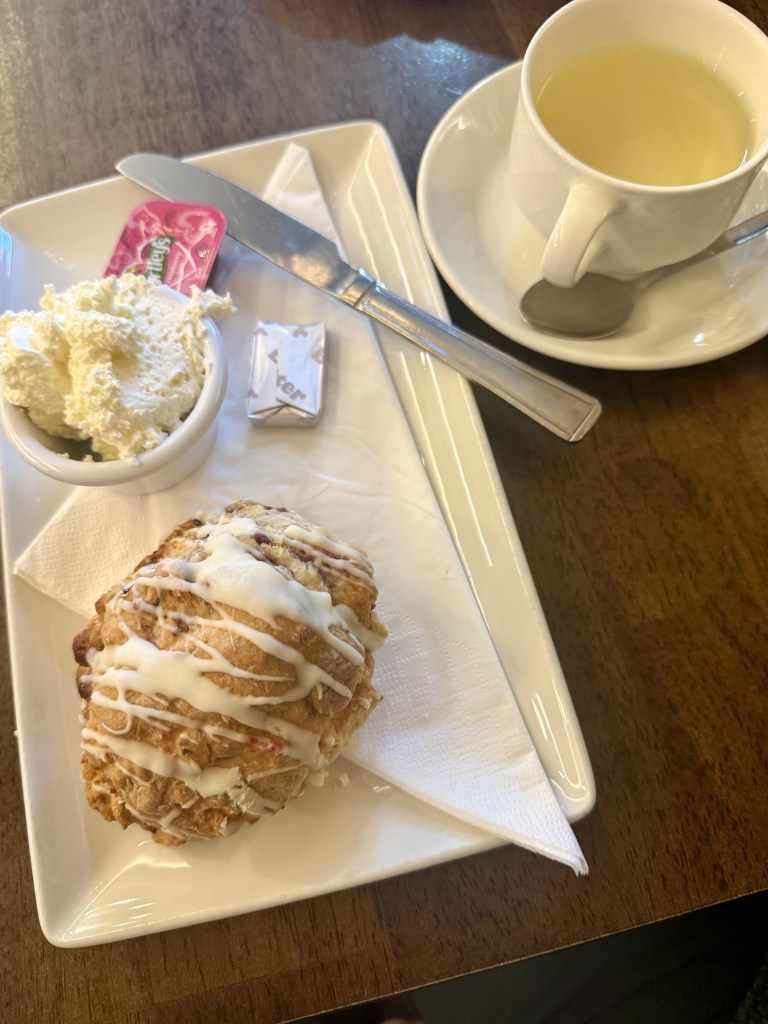
Armagh City Hotel is no exception. A huge part of its charm is that it’s posh for visitors, but also welcoming for the many residents who gather and enjoy time in their own community. If you’re an ardent people-watcher, you will enjoy Armagh City Hotel’s sweeping lobby and fine restaurants. Callan Bar is an inviting space. The chicken and bacon stack was tender and filling, and the crispy mini chicken strips and thick chips hit the spot. They also host a special carvery for daily lunch and on Sundays. Breakfast at the Friary is a great start to the day, with fluffy eggs, and all the components of a proper fry. They also host tea, and special dinners Thursday-Sunday. And there’s a lovely, well-staffed barista café, the Deli, with a glass case full of mouthwatering, in-house baked treats and sandwiches for quick bites as well. (Try one of their famous white chocolate raspberry scones and fresh cream with your tea.)
The hotel has loads going on, with live music, a full-service spa, swimming pool, and well-appointed rooms for a good night’s rest. Room service is a special treat, with tea and scones on call, and late-night pizza for the night owls. Concierge staffers are courteous and seem honestly happy to see new faces—even ones covered in blue swirling war paint from Navan Fort.
There is much to see and do in Armagh, with expansion in the works. The Armagh City Hotel has a shiny new cocktail bar, the Meridian, under construction. Big events—like the William Kennedy Piping Festival in mid-November, Armagh Georgian Festival the end of the month, 7 Hills Blues Fest the end of August, and Food & Cider Weekend in September—will ensure that even if it’s your first time in the First Place of Armagh, it won’t be your last.

