BY SHELAGH BRALEY STARR
RELATED ☘️ Staff
In Ireland, food means more than nourishment. It is weather, landscape, and local pride served on a platter, family style. From the brown crust of soda bread to the briny sweetness of fresh Atlantic seafood, farmhouse cheeses and bright golden butter, some of the country’s most beloved foods are inseparable from the regions that shaped them.
To travel through Ireland by taste is to understand that geography is an ingredient, and hunger the ghost of an old enemy. Regions all developed unique protections for themselves, before taste even became a consideration.
“Our relationship with food is turning from food, then Irish food, then local food, then seasonal food. Now it’s turning to what story does the food have,” said Regina Sexton, leading Irish food historian. “It’s not just food … in a place or at a time, but food that has been delivered to us from somewhere else, from the past. Now it becomes something of our heritage, before food finally becomes something we take upon ourselves as an identity.”
Soda bread is possibly the most iconic example of historic Irish food, humble and filling. It emerged from rural kitchens where soft Irish wheat, low in gluten, made flour that did not rise well with yeast but worked with baking soda. Add buttermilk and salt, and it could be transformed into a loaf with little fuss.
Yet even this familiar staple changes subtly across the country. In some regions including the north, where in-home ovens were less common, soda bread is dense and hearty, made on a griddle as farls. In others, it appears as a taller, crumbly, oven-baked loaf with a darker crust.
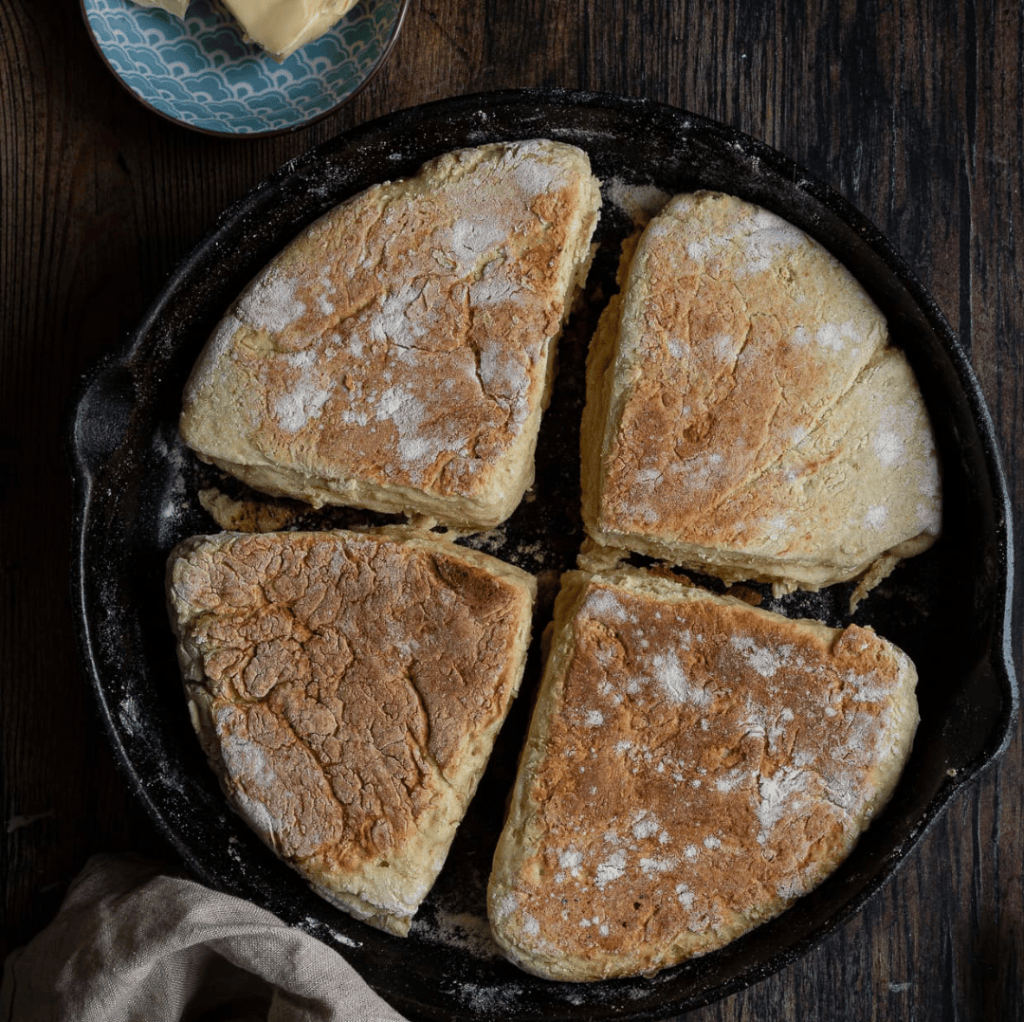
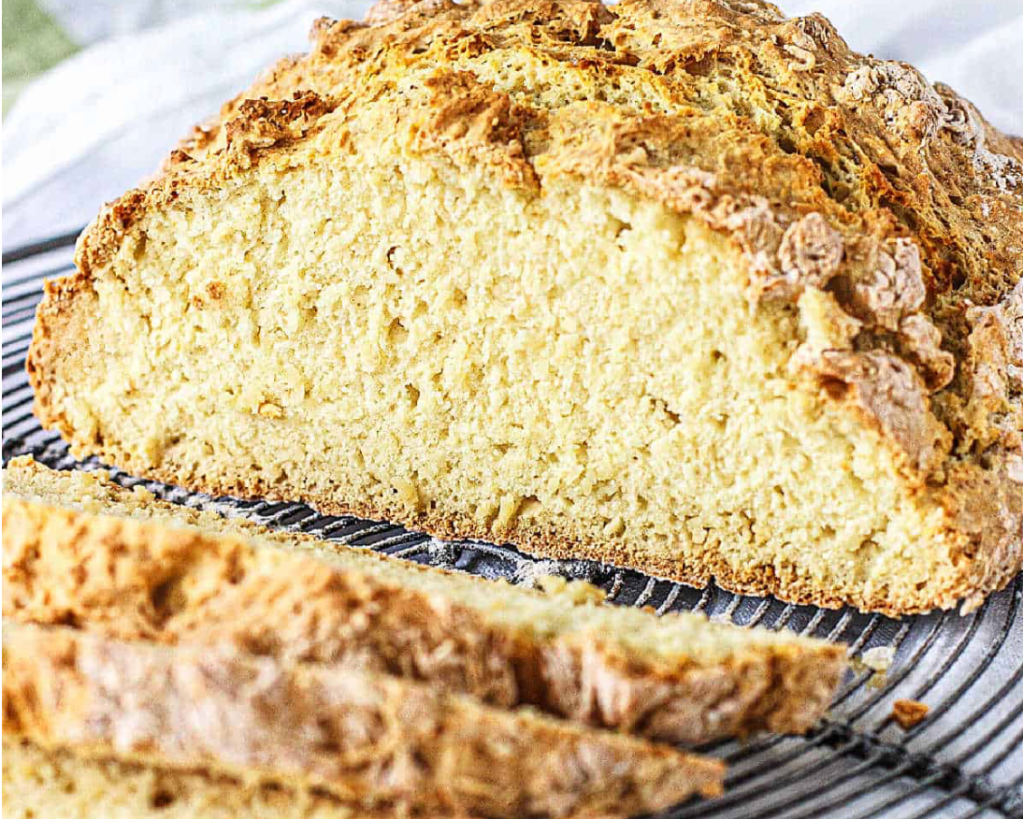
Variations by region speak to fuel sources, farming traditions, and the realities of isolated communities, where bread had to be quick, reliable, and pack a heavy punch. The cross through the top of a loaf carries folklore as well as function, “to let out the fairies” while baking evenly over an open fire. It could be baked daily or every other day and served at meals with a good lashing of butter.
Nowhere is the connection between food and identity more obvious than along Ireland’s coast. The island’s seafood traditions are shaped by cold Atlantic waters, sheltered bays, and long fishing histories. In Galway, native oysters have become prized for their mineral character and association with that rugged western seaboard.
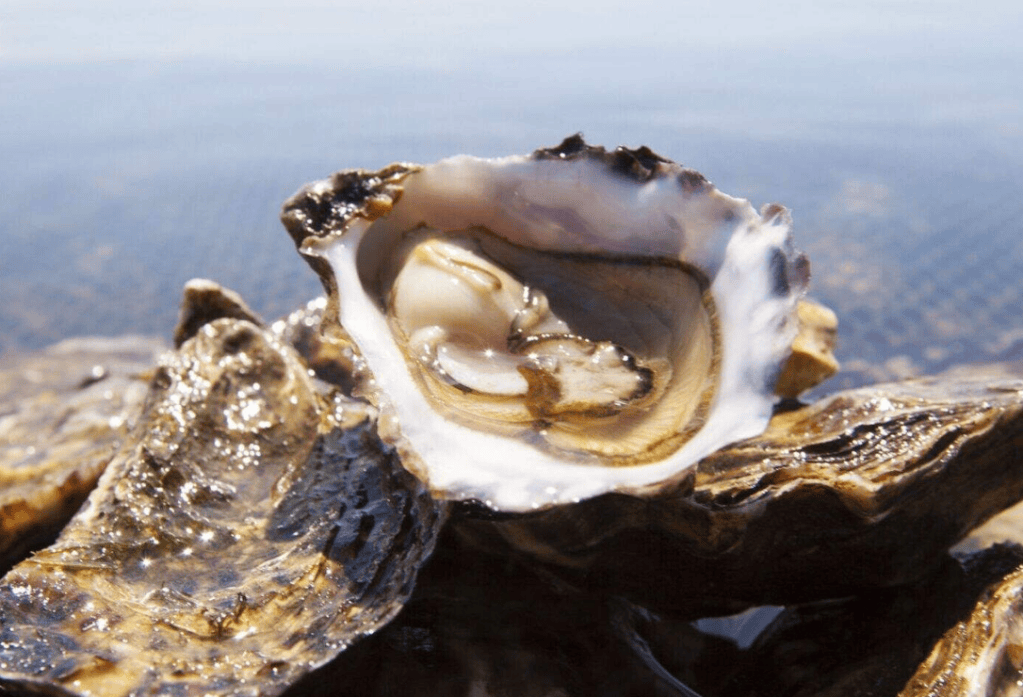
Along the southwest, towns in Cork and Kerry are celebrated for mussels, crab, lobster, and finfish hooked close to shore, while smoked salmon has long held a special place on Irish menus in Clare and Connemara. Irish fish stewsevolved in the 1700s when the Atlantic bounty met potato farming. It was considered a poor man’s food, designed to use up the daily catch with available milk and butter.
“The Great Famine hit hard, but Dunmore East (Co. Waterford) survived better than inland villages, because the sea still gave fish,” Peter Ormonde, owner of the Spinnaker Bar & Restaurant, wrote on Dunmoreeastfood.com. “Chowder kept people alive. After the famine, the dish became symbolic, proof that the coast could feed itself. Fishing fleets expanded in the late 1800s. Waterford became a major herring port.”
“There’s something special about eating seafood chowder in a fishing village like Dunmore East,” said head chef Paul “Pockets” Dunphy. “Here on the Waterford coast, the sea has shaped our lives, our livelihoods and our food for generations. Chowder is part of that wider Irish coastal tradition: simple, nourishing food built around the catch of the day and made to be shared.
The popularity of Ireland’s cheese has revealed just how expressive local milk can be. Though the country is known for its butter, farmhouse producers have started to share the stage by drawing on the distinct qualities of regional pastures. In West Cork, washed-rind and semi-soft cheeses reflect a damp, mild climate and grass-rich landscape. In Tipperary, traditional cheddars have deep roots, while across the south and east a growing diversity of goat, sheep, and cow’s milk cheeses have emerged.
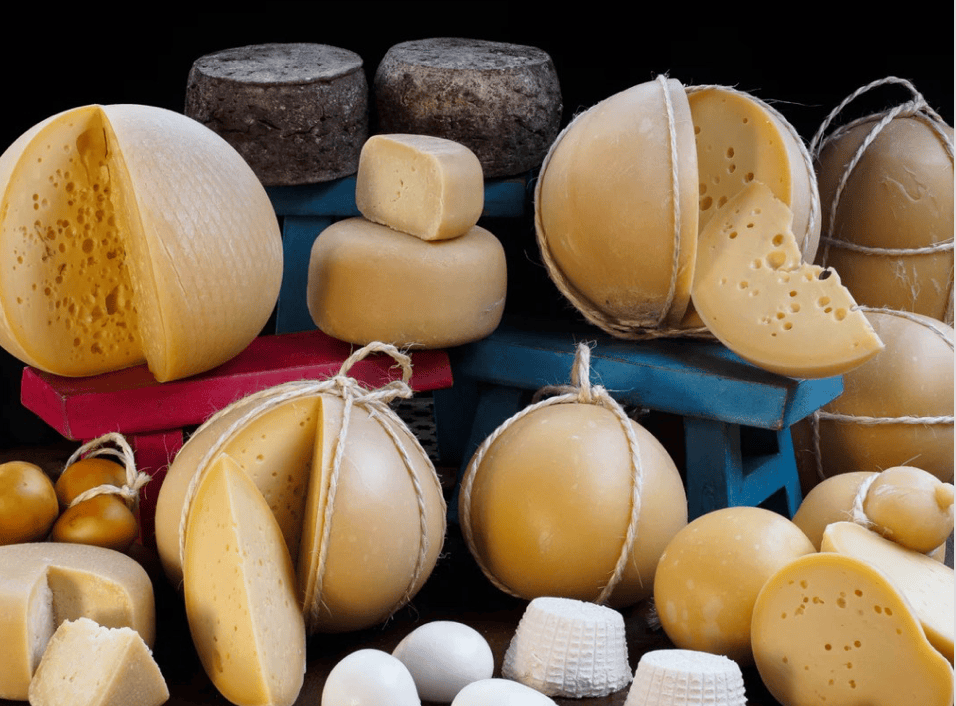
But Sexton points to a long history before such a modern heyday, when cheese was part of survival, as were milk and butter, if you owned a cow.
“Recent developments in cheese production are often perceived as the ‘reemergence’ and ‘renaissance’ of lost traditions,” Sexton said, discussing artisanal cheeses in Ireland at a University College Cork seminar. “… this representation of cheese history distracts from the more layered and complicated life of cheese in Ireland through time.”
Ireland has understandably had a complicated relationship with food as survival, but Irish cultural specialties now shine on the global buffet. These foods reveal an Ireland in which regional claims are powerful and tangible in the taste. From soda bread to cream, each product carries a signature unique to the place they’re grown.

