BY SHELAGH BRALEY STARR
RELATED☘️ Staff
For many of us in the Irish diaspora, history begins as nothing more than a name, an obviously Irish one. Grandparents may have spoken of “hard times,” of farms divided too small to sustain a family, of emigration as necessity rather than adventure. Or maybe, like most, they didn’t speak of it at all. The full story of what our Irish ancestors lived through can be difficult. One of the best ways to reconnect with that past is through nonfiction.
If you are looking for resources that can help illuminate the pressures, upheavals, and resilience that shaped your Irish ancestors’ lives, five titles stand out from the shelves. Together, they offer an accessible starting point for understanding what happened in Ireland, and what it may have felt like to survive centuries of cultural change and political struggle.
Thomas Cahill’s 1995 bestseller HOW THE IRISH SAVED CIVILIZATION remains one of the most widely known entry points for Irish historians. Its appeal, especially for diaspora audiences, lies in its sweeping argument that Irish monks and scholars helped preserve classical learning as Europe slipped into the Dark Ages. Some historians have debated aspects of Cahill’s framing, but the book’s enduring popularity comes from the way it invites readers to see Ireland as a nucleus of major cultural and evolutionary value. For descendants of emigrants, that can be a powerful corrective. Too often, Irish ancestry is filtered through narratives of famine and flight alone. Cahill expands the scope, showing an Ireland of intellectual energy, spiritual life, and cultural influence long before modern crises forced so many people to leave.
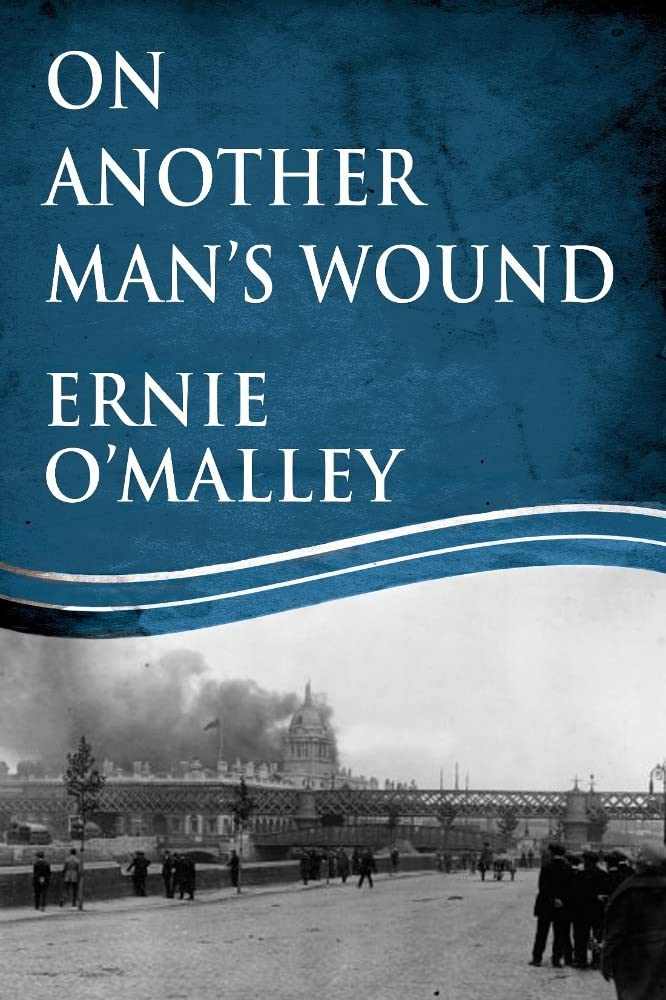
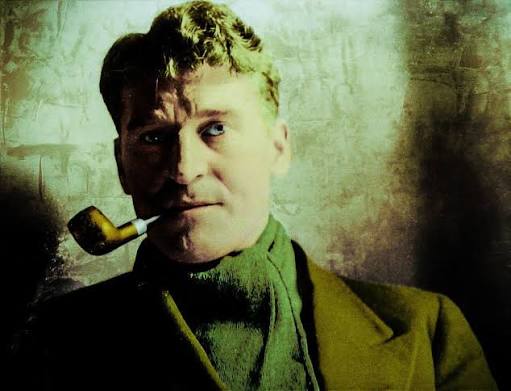
If Cahill offers pride and deep background, Ernie O’Malley’s ON ANOTHER MAN’S WOUND (first published in 1936) brings the human touch to 1916 Ireland. A masterpiece of revolutionary perspective, this graphic autobiography is one of the most vivid accounts of the fight against British rule. What makes O’Malley essential is not just the politics, but his firsthand urgency. This is guerilla history experienced on the ground: tense, youthful, uncertain, and often brutal. For diaspora readers whose ancestors left before or after independence, the book helps frame the emotional climate of a country where politics touched daily life and carried real danger. It reminds us that the making of modern Ireland was not abstract; it was lived in fear, conviction, and sacrifice.
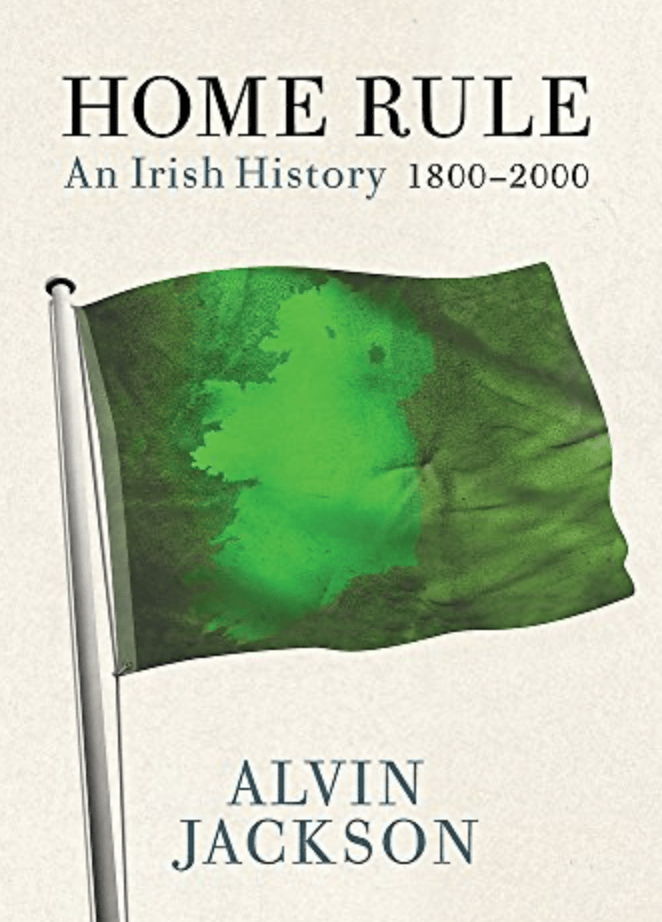
Another valuable title for nonfiction history readers is HOME RULE: AN IRISH HISTORY 1800–2000 by Alvin Jackson. Written in 2003 for readers seeking a broader framework, this is especially useful because it covers two centuries that shaped the Ireland from which so many of our emigrants departed. The historian shows how the idea of Home Rule tried to bind together divided groups before it was too late. The 19th and 20th centuries were marked by political agitation, land struggles, religious division, famine’s aftermath, campaigns for self-government, partition, and the long shadow of conflict in Northern Ireland. A large number of diaspora families trace their roots to exactly this era, when economic hardship and political instability made staying difficult or impossible. Jackson’s work helps connect those personal family departures to national transformations. Why did so many leave? Why did some remain fiercely attached to place while others severed ties in pain? A long-view history like this can help answer those questions.

Roy Foster’s THE IRISH STORY, a 2001 collection of essays, is another strong guide for readers who want to understand how Ireland narrates itself. Foster is known for presenting Irish history with exacting nuance, resisting sentimental simplifications and fighting what he called “commercialized heritage,” while still acknowledging the force of our shared identity. Irish family history is often handed down more through stories than documentation. Foster’s work helps to separate family folklore from fact without losing sight of why those stories and beliefs took hold. In many diaspora communities, “being Irish” has meant carrying an identity shaped by nationalism, religion, colonialism, and migration. Foster helps place those categories in context, showing how Ireland’s past has been challenged, revised, and retold across generations.
Then there is Patrick Radden Keefe’s 2018 SAY NOTHING, a book that has reached a vast audience because it turns the Troubles in Northern Ireland into a gripping, deeply reported narrative without reducing its moral complexity. Keefe, the only American journalist on the author list, wanted his work to bring a nonpartisan, outsider view of the conflict in a place where allegedly, local writers faced intimidation. Although more contemporary than some of the other works on this list, Say Nothing is crucial to understanding one of the defining traumas of recent Irish history. For many Irish families abroad, Northern Ireland was a subject discussed in tense, guarded, or partisan terms. Donations were sent, arguments were had, loyalties declared, and yet the cost on ordinary people could be obscured by ideology. When the peace process fell short of their goal of a united Ireland, IRA members were left wondering whether the violence they committed were no longer acts of a just war but simple murders. Say Nothing restores that human dimension. It captures the fear that required silence of its victims, grief and radicalization, showing how violence seeped into everyday life. For descendants trying to understand how this conflict shaped modern Irish identity, Say Nothing is indispensable. (Another resource about the Troubles, though fictionalized, is the August Brigid’s Library Book Club pick, PRESTIGE DRAMA by Séamas O’Reilly. Read this review HERE)
Taken together, these books offer historical information, both deep and wide-reaching They help explain why so many Irish families carry both pride and sorrow. Our Irish ancestors lived through invasions and colonial subordination, religious discrimination, land insecurity, hunger, mass emigration, revolution, partition, and more. Even if our specific family story is unclear, these histories reveal the pressures that framed their ordinary lives.
For us in the diaspora, reading history can also be an act of repair. It fills the silences left by migration, when families often lost language and connection to their people. More importantly, it can replace inherited clichés with understanding. The Irish past is not only sentimental ballads and biographies like Frank McCourt, full of green fields and saintly innocence. It is also argument, upheaval, endurance, and reinvention. It’s messy. It’s less romantic. But all the richer for it.
If this feature stirred your curiosity about the lives your Irish ancestors may have lived, the hardships they endured and the tough choices they had to make, we invite you to join Brigid’s Library Book Club. Over the next five months, starting September 1, we’ll read this thoughtful selection of nonfiction books about Irish history together, moving from early Ireland to revolution and beyond. We’ll explore the forces that shaped ordinary lives and the history that still reverberates through our families today.
Brigid’s Library (@brigidslibrarybookclub on Facebook) is a space for readers who want to go beyond nostalgia and reach a fuller understanding of Irish history through its own voices. Come read with us, talk about it with people who share your perspectives. Reconnect with the past in good company. You can join now at brigidslibrary.com


1 thought on “Read Deeper into Irish History ”