By SHELAGH BRALEY STARR
RELATED☘️ Staff
September brings a seasonal shift, one we can leverage for tracing our Irish roots.
Even if school days bring back less than pleasant memories, now that we can focus on topics of personal curiosity, a changing season can be surprisingly useful for kickstarting stalled research. Irish genealogy rarely yields to speed; more often, it rewards patience, repetition, and willingness to revisit what might have seemed like a dead end.
But not everyone researches best by sitting in front of a screen, typing names into a database. Here are a few new strategies to reinvigorate our search, especially tailored to the ways we learn best.
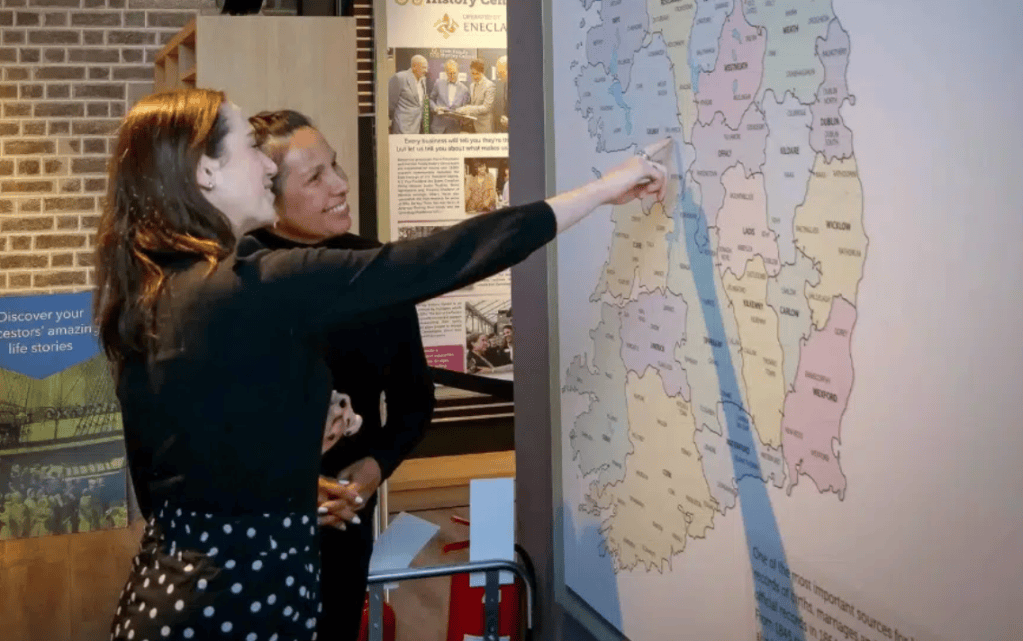
FOR VISUAL LEARNERS
The best starting point (or pick-up point) for visual learners is often geography. In Irish research, location is so important. The first question we ask after surname is “Where are they from?”
Griffith’s Valuation, a boundary and land valuation survey compiled in the mid-19th century, is invaluable here, especially paired with its accompanying maps. All we need to get started is a name and a county or parish. Search the printed valuation database for free at askaboutireland.ie.
Griffiths will show key details about properties and their residents, giving insight into the economic and social turns of the time. Beyond the location, size, and quality of the properties (though those details are great to have), Griffiths is also helpful to compare how families changed, and properties and areas adapted, through revision documents that were recorded up to the end of the 20th century.
Other visual cues to get us back into search mode: Ordnance Survey maps, estate maps, townland indexes, and census or photo archive images are helpful to delve into as well. These sources show families in their community context, with information on who lived nearby, or how close a house was to church, market, or landlord’s estate. These details make our ancestors’ daily life more obvious.
To try a more creative project to restore our focus, a family tree chart or timeline can turn a leaf-pile of names into naming patterns visible at a glance.
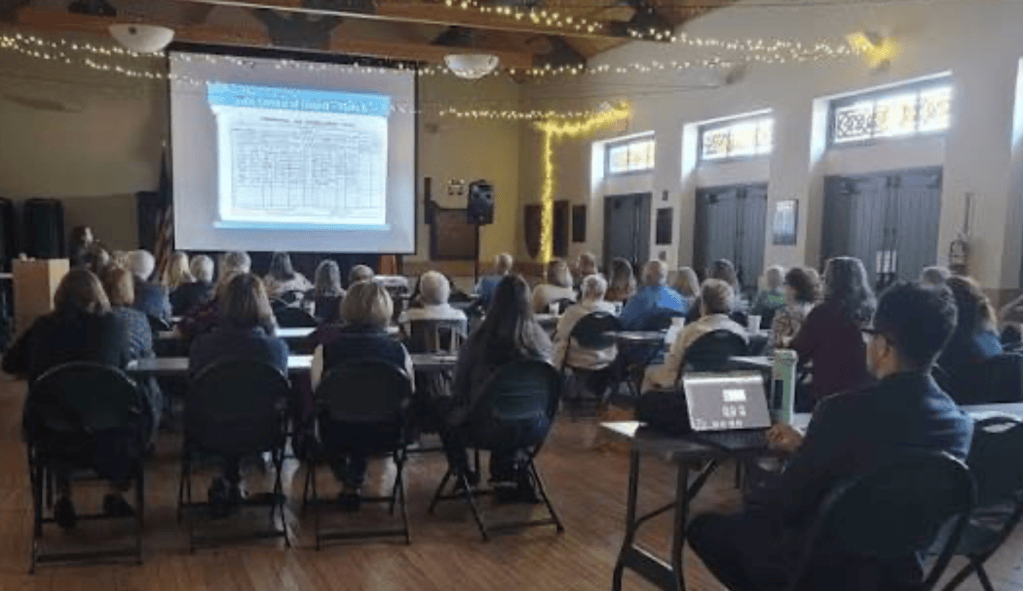
FOR AUDITORY LEARNERS
Audio learners do well with spoken history, so attending a local genealogy gathering could reignite our interest. Oral histories remain one of the most undervalued, underused tools in genealogy, even though it is frequently the source of the details no official document can record. The story of who left, who stayed, who married against expectation, who was “from up the road” rather than from the next parish over.
Interviews with older relatives (if we are lucky enough to have them) can preserve memories that might otherwise disappear. Another option is to reach out to the local genealogy group that has jurisdiction in our ancestors’ location. There are local history societies that hold gatherings and webinars every month. Irish research in particular is helped along by hearing place names and surnames spoken aloud. A name that looks unfamiliar on a page might become instantly recognizable once pronounced (Any Mahoneys here?) A family story that was vague might come to life with a few local details filled in.
FOR READING/WRITING LEARNERS
If we learn best by reading, note-taking, and organizing ideas on paper, start a fresh research log, recording each source searched, each spelling variation tested, each clue uncovered. A well-kept log not only helps us track our progress but also reveals patterns and unanswered questions that guide our next steps.
Curl up with a history book about an ancestor’s parish, county, or even time in history, to help you place them in richer contrast. From there, journaling our thoughts and discoveries help us reflect on what each new discovery might mean: why a family moved, how they may have experienced hunger, emigration, or change, and what traditions may have shaped their lives. For reading/writing learners, this combination of careful documentation and thoughtful storytelling can transform our genealogy from a search for records to a meaningful exploration that yields future family treasures. (For suggested reading that might suit you, see this list of Brigid’s Library recommendations. And try your hand at next month’s Ancestor Memoir Contest!)
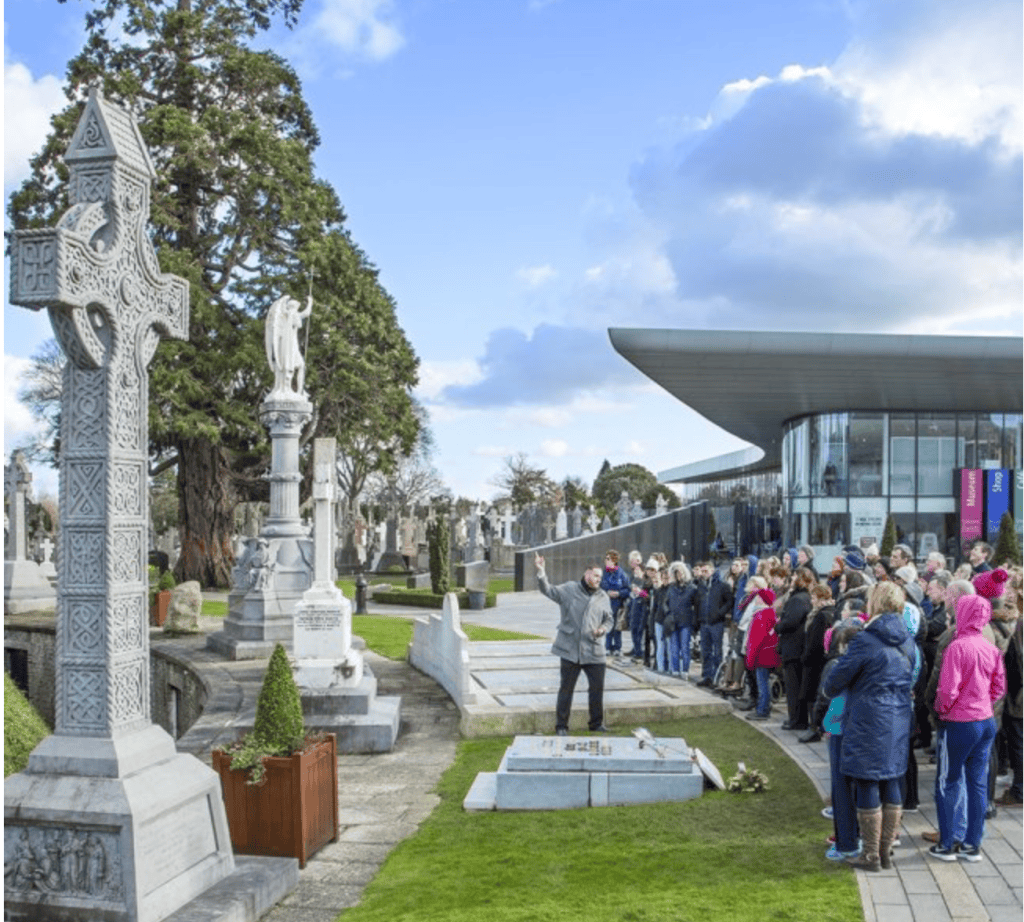
FOR HANDS-ON LEARNERS
For hands-on learners, progress depends on doing, rather than simply searching. Archives, local heritage centers, graveyards, and record offices all have a starring role here.
There is a tactile intelligence that comes with being in a research environment, laying documents side by side, labelling copies, tracking contradictions with red pen. Visit an interactive museum (like EPIC in Dublin), or set out on a cemetery walk to see which names cluster together. Irish genealogy lends itself to this method because so much of it depends on comparison, matching one household to another, one parish entry to a civil registration, one headstone to a family story.
DNA testing tools can be another way to spark interest for a hands-on learner, so we have shiny new data to compare against the paper trail.
The point is, when we attempt Irish genealogy, we can’t force one way of looking at the information. Stalled work often needs a change of method more than a burst of discipline. It’s dense, and long-term work—try to keep it fresh and fun! If a line has gone cold in parish registers, maybe a map would clarify. If maps have taken us as far as they can, a local lecture might suggest a new avenue. If screen-based searching has numbed our brains, visit an archive or join a class to restore some momentum.
The ancestor who eluded us in May may not be easier to find now—but we might be better prepared to recognize the clue when it appears. We just needed a break, to sharpen our pencils.

